Healthy Lifestyle7 min read
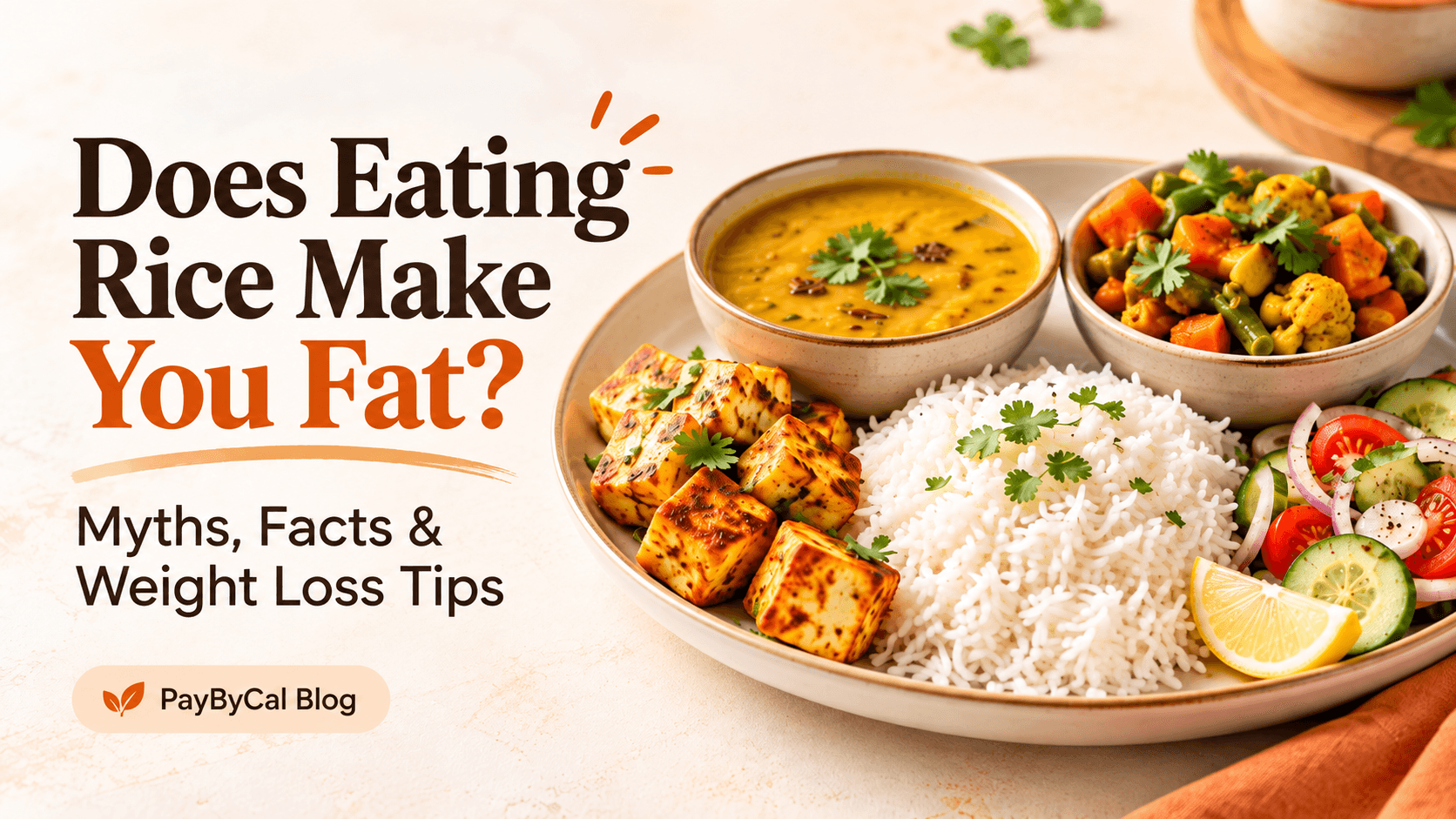
10 Indian Food Myths You Should Stop Believing
From rice and fruit to carbohydrates and fats, let's examine common nutrition myths.
10 Indian Food Myths You Should Stop Believing
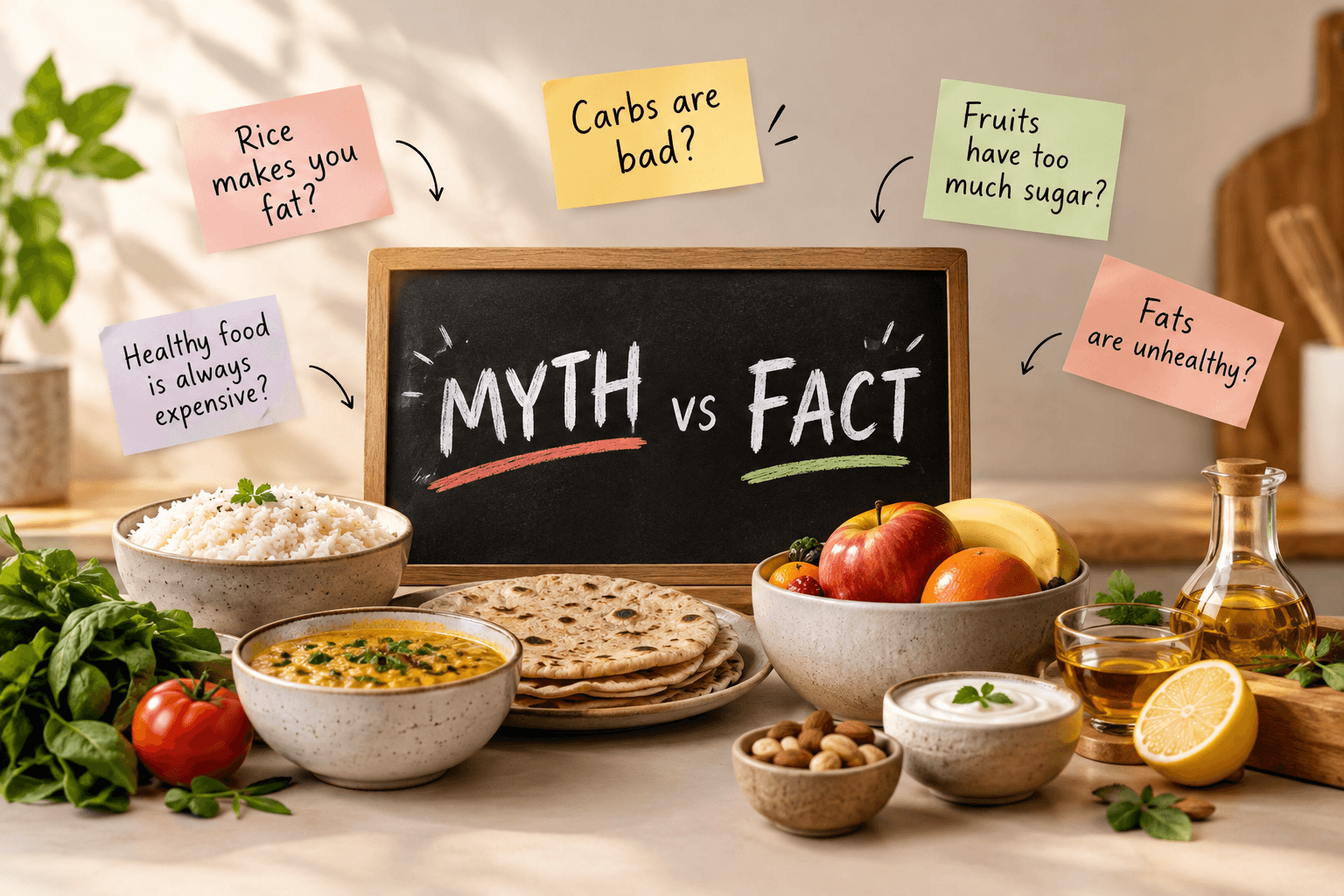
Nutrition advice is often reduced to statements such as “carbs make you fat,” “rice should be avoided during weight loss,” or “healthy food must be expensive.” These beliefs are common in Indian households and are frequently reinforced by social media, outdated advice, and popular diet trends.
However, nutrition is not as simple as labeling a particular food as good or bad. Overall dietary patterns, portion sizes, frequency of consumption, nutritional needs, and lifestyle all play an important role in determining health outcomes.
Indian cuisine offers a wide variety of nutritious foods, including rice, roti, dal, vegetables, fruits, dairy products, nuts, and traditional preparations. Understanding how these foods fit into a balanced diet can help people make informed choices instead of following unnecessary restrictions.
Let's explore 10 common Indian food myths and understand what nutrition science actually tells us.
1. Myth: Eating Rice Causes Weight Gain
Rice is often the first food people reduce or eliminate when trying to lose weight. Since rice is rich in carbohydrates, many believe that eating it automatically leads to fat gain.
Fact: Rice does not directly cause weight gain. Weight changes are influenced by overall energy intake, physical activity, eating habits, and other individual factors. Rice can be part of a balanced diet when consumed in appropriate portions.
White rice and brown rice both provide energy, although brown rice generally contains more fibre. Pairing rice with dal, vegetables, curd, or other protein-rich foods can make a meal more balanced and satisfying.
Instead of completely avoiding rice, focus on portion control and the overall composition of your meals.
2. Myth: Carbohydrates Are Bad for Your Health
Carbohydrates are frequently blamed for weight gain, diabetes, and other health problems. As a result, many people try to eliminate roti, rice, potatoes, and other carbohydrate-containing foods from their diets.
Fact: Carbohydrates are an important source of energy for the body. The quality and quantity of carbohydrates matter more than avoiding them altogether.
Whole grains, fruits, vegetables, pulses, and legumes provide carbohydrates along with essential nutrients and, in many cases, fibre. Highly refined foods and sugary drinks, when consumed frequently or in excess, may contribute to poor dietary quality.
A balanced diet can include carbohydrates while prioritising fibre-rich foods and appropriate portions. People with diabetes or other specific medical conditions may benefit from individualised dietary guidance.
3. Myth: Eating Fat Makes You Fat
Many people avoid ghee, nuts, seeds, cooking oils, and other fat-containing foods because they believe dietary fat automatically leads to body fat accumulation.
Fact: Dietary fat is essential for normal body functions, including hormone production, cell health, and the absorption of fat-soluble vitamins such as A, D, E, and K.
The type and amount of fat consumed are important. Nuts, seeds, and oils rich in unsaturated fats can contribute to a healthy diet. Saturated fats, including those found in ghee and butter, should be consumed in moderation.
Since fats are energy-dense, portion sizes still matter. The goal should be to choose suitable fat sources and use them in balanced quantities rather than eliminating fat completely.
4. Myth: Fruits Should Be Avoided Because They Contain Sugar
Some people avoid bananas, mangoes, grapes, and other naturally sweet fruits while trying to lose weight or manage their blood sugar levels.
Fact: Whole fruits contain naturally occurring sugars along with fibre, vitamins, minerals, and other beneficial plant compounds. Their nutritional value makes them an important part of a balanced diet.
Eating whole fruit is different from consuming sugary beverages or large amounts of fruit juice. Fibre in whole fruit helps slow digestion and contributes to fullness.
Most people can enjoy a variety of fruits as part of a healthy eating pattern. Individuals managing diabetes may need to consider fruit portions, overall carbohydrate intake, and their individual response to different foods.
5. Myth: Skipping Dinner Helps You Lose Weight Faster
Skipping dinner is a common weight-loss strategy, particularly among people who believe eating at night automatically leads to fat storage.
Fact: Weight management depends more on overall energy intake, food quality, activity levels, and long-term consistency than on simply skipping a particular meal.
For some people, a lighter dinner may be suitable. However, regularly skipping meals can lead to excessive hunger, low energy, or overeating later in the day.
A balanced dinner containing vegetables, protein sources such as dal or paneer, and an appropriate portion of roti or rice can support nutritional needs. Meal timing should fit your schedule, appetite, and health requirements.
6. Myth: Brown Sugar and Honey Are Much Healthier Than White Sugar
Brown sugar, honey, and jaggery are often considered healthy alternatives to regular white sugar because they appear more natural or less processed.
Fact: Although these sweeteners may differ slightly in flavour and nutrient composition, they are still sources of sugar and should be consumed in moderation.
Jaggery may contain small amounts of minerals, but it is not a substitute for nutrient-rich foods. Honey also contributes free sugars to the diet.
Replacing white sugar with these alternatives does not automatically make a diet healthy. Paying attention to total sugar intake and choosing minimally processed, nutrient-rich foods is a more useful approach.
7. Myth: Drinking Warm Water with Lemon Burns Belly Fat
Warm lemon water is often promoted as a simple solution for burning belly fat, improving metabolism, and achieving quick weight loss.
Fact: Lemon water can be a refreshing, low-calorie drink, particularly when consumed without added sugar. However, there is no strong evidence that warm water with lemon specifically burns belly fat.
Fat loss occurs through changes in overall energy balance over time. Regular physical activity, balanced meals, adequate sleep, and consistent habits are more effective strategies for weight management.
You can enjoy lemon water if you like its taste, but it should not be treated as a replacement for sustainable nutrition and lifestyle practices.
8. Myth: Healthy Eating Is Always Expensive
Many people assume that following a healthy diet requires imported foods, protein powders, expensive supplements, exotic seeds, or specialised health products.
Fact: A nutritious diet can be built around affordable, commonly available Indian foods.
Dal, chana, rajma, seasonal vegetables, locally available fruits, curd, peanuts, and whole grains can provide a wide range of essential nutrients without requiring expensive purchases.
Planning meals in advance, buying seasonal produce, preparing food at home, and using locally available ingredients can also help control costs.
Healthy eating is less about buying premium products and more about creating balanced meals that meet your nutritional needs and fit your budget.
9. Myth: Eating After 7 PM Causes Weight Gain
A common belief is that food eaten after a particular time is automatically stored as fat because the body becomes less active in the evening.
Fact: There is no universal rule that eating after 7 PM causes weight gain. Overall calorie intake, food choices, activity levels, sleep patterns, and consistency play important roles in weight management.
However, eating very large meals late at night or frequently consuming high-calorie snacks may make it harder for some people to manage their intake. Heavy meals close to bedtime may also affect comfort or sleep quality in certain individuals.
Instead of following a strict cut-off time, focus on balanced meals, appropriate portions, and a meal schedule that works for your routine.
10. Myth: Detox Drinks Remove Toxins and Cleanse the Body
Detox waters, juice cleanses, and special herbal drinks are often marketed as ways to remove toxins, clean the digestive system, and accelerate weight loss.
Fact: Your body already has systems that process and eliminate waste, particularly the liver and kidneys. There is limited evidence that commercial detox drinks or restrictive juice cleanses improve these natural processes in healthy individuals.
Drinking enough water, consuming fibre-rich foods, eating a variety of fruits and vegetables, and maintaining balanced eating habits can support normal bodily functions.
Some restrictive detox programmes may also provide insufficient protein, energy, or other essential nutrients. Rather than relying on short-term cleansing trends, focus on sustainable habits that support your overall health.
Why Understanding Food Myths Matters
Believing common food myths can lead to unnecessary restrictions, nutritional imbalances, confusion, and frustration when expected results do not occur. Avoiding entire food groups without a valid reason may also make it more difficult to maintain a balanced and enjoyable diet.
Indian meals can be nutritious without abandoning familiar foods. Rice, roti, dal, vegetables, fruits, dairy products, nuts, and traditional dishes can all have a place in a well-planned eating pattern.
The key is understanding portion sizes, food quality, nutritional requirements, and how different foods work together. Individual needs can vary according to age, activity level, health conditions, preferences, and personal goals.
Final Thoughts
Nutrition does not have to be complicated, restrictive, or driven by social media trends. Many popular food beliefs are based on oversimplified information rather than a complete understanding of how the body works.
Instead of fearing rice, eliminating carbohydrates, avoiding fruit, or depending on detox drinks, focus on building balanced meals and developing habits you can maintain over time.
Remember, no single food determines your health. Your overall eating pattern matters more.
When in doubt, seek guidance from a qualified nutrition professional who can help you understand your individual requirements and make informed dietary choices.
At PayByCal, the goal is to make nutrition easier to understand so you can move beyond common myths and make choices that support your health and lifestyle.
Visit the link for more details https://paybycal.com/
- Food myths
- Indian diet myths
- nutrition myths
This article is for general education and is not medical advice. Please consult a qualified healthcare professional about your individual needs.