Healthy Lifestyle8 min read
Healthy Eating Is Not Perfect Eating: A Better Way to Think About Nutrition
Healthy eating isn't about following strict food rules or avoiding your favourite foods. Discover how a balanced and flexible approach to nutrition can help you enjoy food, reduce food guilt and build healthy habits that last a lifetime.
Healthy Eating Is Not Perfect Eating: A Better Way to Think About Nutrition
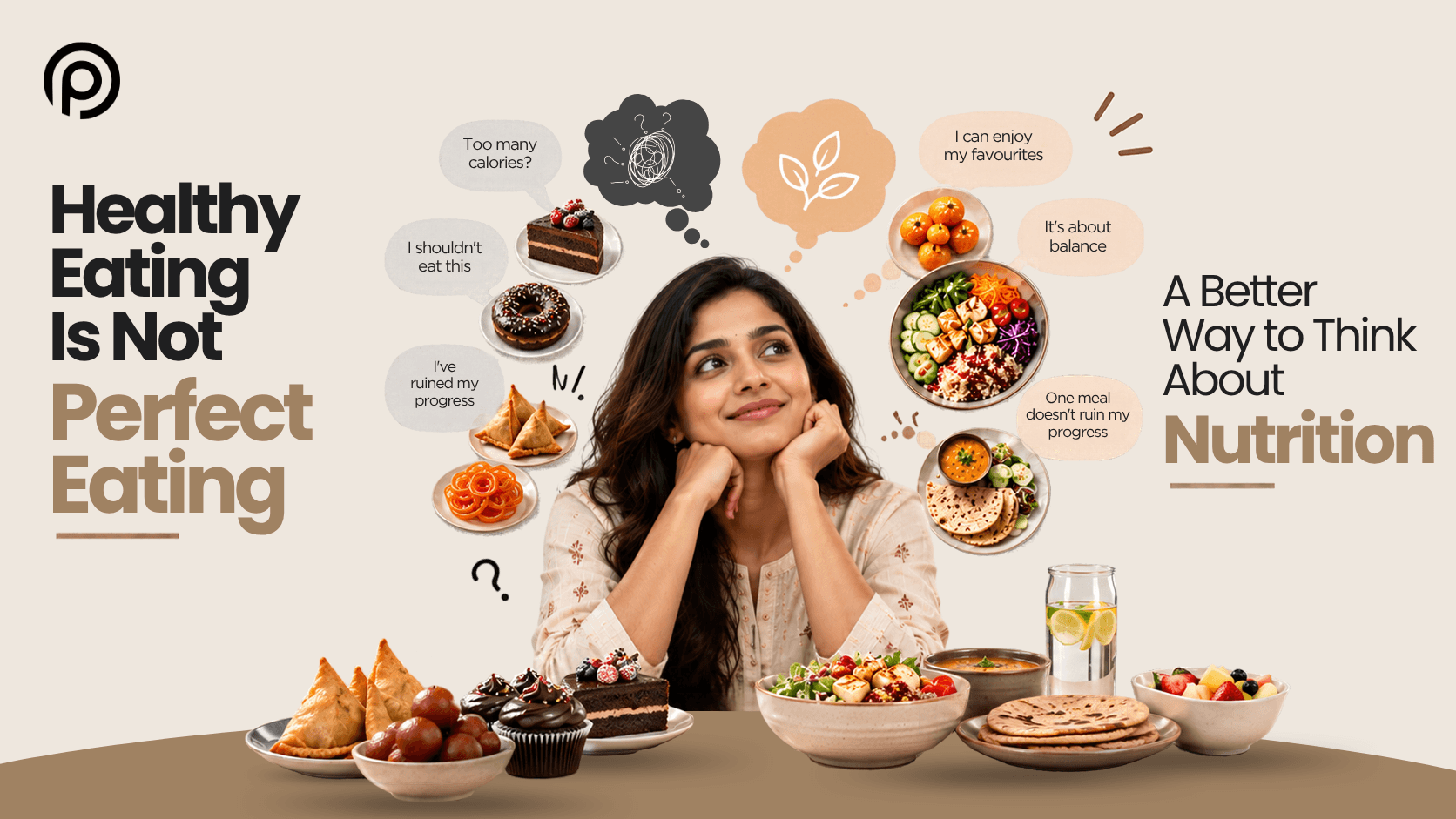
Healthy eating is often misunderstood as following a strict diet, avoiding favourite foods, counting every calorie or never eating anything considered unhealthy. With so much nutrition advice available online, it is easy to feel that eating well means making the perfect food choice at every meal.
But the truth is that healthy eating is not about perfection. It is about balance, consistency and building habits that support your overall well-being.
You do not need to give up your favourite foods, feel guilty after enjoying a dessert or follow a restrictive diet to maintain a healthy lifestyle. What matters more is your overall eating pattern, the variety of foods you include and how consistently you nourish your body.
Let's understand why moving away from the perfect-diet mindset can make healthy eating easier and more sustainable.
1. Why the 'Perfect Diet' Mindset Can Backfire
Many people begin their health journey with strict rules. They decide to completely avoid sugar, stop eating carbohydrates, skip their favourite snacks or follow a highly restrictive meal plan.
Initially, these changes may feel motivating. However, maintaining such restrictions over a long period can become difficult.
For example, imagine someone who follows a strict diet throughout the week but eats sweets at a family celebration over the weekend. Instead of enjoying the occasion, they may feel guilty and believe they have ruined their progress.
This thinking can create an unhealthy cycle:
- Setting unrealistic food rules.
- Trying hard to follow every restriction.
- Feeling guilty after eating something outside the plan.
- Losing motivation and returning to old habits.
- Starting another restrictive diet.
Healthy eating should not feel like a punishment. A sustainable approach allows you to make nutritious choices without constantly worrying about breaking food rules.
2. Consistency Matters More Than Perfection
One balanced meal will not transform your health overnight, just as one indulgent meal will not undo all your healthy habits.
Your overall eating pattern matters much more than individual food choices.
For example, if you generally include vegetables, fruits, protein-rich foods, whole grains and healthy fats in your meals, occasionally enjoying pizza, sweets or fried snacks does not automatically make your diet unhealthy.
Instead of asking yourself, "Did I eat perfectly today?" try asking:
- Did I include enough variety in my meals?
- Did I eat foods that provided useful nutrients?
- Did I listen to my hunger and fullness cues?
- Did I maintain a reasonable eating routine?
- Am I building habits that I can continue comfortably?
Small, consistent improvements are often more practical than extreme changes that are difficult to maintain.
3. Food Guilt: Why You Should Stop Labelling Foods as Good or Bad
Food guilt is the uncomfortable feeling people experience after eating something they believe they should not have eaten.
It commonly happens after consuming sweets, chocolates, desserts, fast food or festive meals.
However, food choices should not become a measure of your self-worth or discipline.
Different foods provide different nutrients, and not every food needs to serve the same purpose. Some foods provide vitamins, minerals, fibre and protein, while others may simply be foods you enjoy socially or occasionally.
For example:
- A bowl of dal and rice can provide carbohydrates and plant-based protein.
- A fruit bowl can provide fibre, vitamins and minerals.
- Paneer can contribute protein and calcium.
- A piece of chocolate can simply be something you enjoy.
- A homemade dessert can be part of a family celebration.
Rather than feeling guilty about individual foods, focus on the bigger picture.
Enjoying your favourite food occasionally does not mean you have failed at healthy eating.
4. Build Balanced Meals Instead of Following Restrictive Rules
A balanced meal does not need to be complicated, expensive or prepared using special ingredients.
You can create nutritious meals using everyday Indian foods.
Here are some simple combinations:
Breakfast Ideas
- Vegetable poha with peanuts and curd.
- Moong dal chilla with paneer stuffing.
- Vegetable oats with a side of curd.
- Idli with sambar.
- Whole-wheat toast with eggs or paneer.
Lunch Ideas
- Roti with dal, seasonal vegetables and curd.
- Rice with rajma, salad and vegetables.
- Vegetable khichdi with curd.
- Paneer bhurji with roti and cucumber salad.
Dinner Ideas
- Dal, roti and mixed vegetable sabzi.
- Vegetable pulao with raita.
- Grilled paneer with vegetables and roti.
- Egg curry with rice and salad.
The goal is to include a combination of food groups rather than eliminate entire categories of food.
Try to include protein sources, fibre-rich foods, vegetables, fruits, whole grains and appropriate amounts of healthy fats throughout your day.
5. Understand Your Weekly Eating Pattern
Many people judge their eating habits based on one particular day. However, looking at your overall weekly pattern can provide a more realistic picture.
For example, you might eat homemade meals during most weekdays but enjoy restaurant food with friends on Saturday.
That is not necessarily a problem.
Instead of trying to compensate for a restaurant meal by skipping breakfast or exercising excessively the next day, simply return to your regular eating routine.
You can evaluate your habits by considering:
- How frequently do you include fruits and vegetables?
- Are you getting sufficient protein from different food sources?
- Do you regularly consume fibre-rich foods?
- Are your meals reasonably balanced?
- Are you drinking enough water?
- Are you maintaining a routine that supports your daily activity?
This approach encourages awareness without creating unnecessary pressure.
6. Listen to Your Hunger and Fullness Signals
Healthy eating is not just about choosing nutritious foods. It is also about developing a better understanding of your body's needs.
Sometimes people follow fixed meal rules without considering whether they are actually hungry, comfortably full or satisfied.
Learning to recognise hunger and fullness signals can help you develop a more comfortable relationship with food.
Some practical habits include:
- Eat meals without rushing whenever possible.
- Notice when you begin feeling comfortably full.
- Avoid skipping meals simply to compensate for eating more earlier.
- Pay attention to how different meals affect your energy and satisfaction.
- Allow yourself to eat more when you are genuinely hungry.
Remember that appetite can change depending on physical activity, sleep, stress, health conditions and other factors.
There is no single meal schedule that works perfectly for everyone.
7. Why Extreme Food Restrictions Are Not Always Sustainable
Eliminating entire food groups without a medical or nutritional reason can make eating unnecessarily complicated.
For instance, carbohydrates are often misunderstood as foods that should always be avoided for weight management.
However, foods such as rice, roti, oats, potatoes and fruits can all be part of a balanced diet.
Similarly, fats are essential nutrients, and protein is important for maintaining and repairing body tissues.
The focus should be on choosing appropriate food sources, portions and combinations rather than following unnecessary restrictions.
If you have a specific health condition, food intolerance or nutritional requirement, a qualified healthcare professional or registered dietitian can help you understand which dietary changes are appropriate.
8. Simple Habits That Make Healthy Eating Sustainable
You do not need to change your entire lifestyle in one day. Start with small improvements that fit naturally into your routine.
Plan Your Meals: Having a basic idea of what you will eat can help reduce last-minute food decisions.
Include Protein: Add dal, paneer, curd, eggs, beans, chicken or other suitable protein sources to your meals.
Eat More Variety: Try different seasonal vegetables, fruits, grains and pulses instead of eating the same foods every day.
Stay Hydrated: Make water your regular beverage and maintain hydration throughout the day.
Avoid Unnecessary Comparisons: Your nutritional needs may be different from those of your friends, family members or people you follow online.
Allow Flexibility: Enjoy celebrations, restaurant meals and favourite foods without treating them as failures.
Focus on Progress: Appreciate small improvements instead of expecting immediate results.
These habits can make healthy eating feel more manageable and less stressful.
9. When Does Healthy Eating Become Too Restrictive?
Healthy eating should support your life rather than control it.
If you constantly worry about calories, feel anxious about eating outside your planned meals, avoid social occasions because of food or experience intense guilt after eating certain foods, it may be worth reassessing your approach.
Nutrition should provide nourishment, not unnecessary stress.
If food-related anxiety or restrictive eating patterns are affecting your everyday life, consider speaking with a qualified healthcare professional or mental health professional.
A personalised and balanced approach can help you work towards your health goals while maintaining a healthier relationship with food.
Key Takeaways
Healthy eating is not about eating perfectly every day. It is about making practical food choices that support your health over time.
Remember these important points:
- No single meal determines your overall health.
- Consistency is more valuable than following unrealistic diet rules.
- Your favourite foods can fit into a balanced eating pattern.
- Food guilt and unnecessary restrictions can make healthy habits harder to maintain.
- Balanced meals should include variety and appropriate portions.
- Your nutrition routine should suit your lifestyle, preferences and individual needs.
The best eating pattern is not necessarily the strictest one. It is the one that provides adequate nourishment, feels enjoyable and can be maintained over time.
Frequently Asked Questions (FAQs)
1. Does healthy eating mean avoiding sugar completely?
No. Healthy eating does not necessarily require completely eliminating sugar. The focus should be on limiting excessive added sugar while maintaining an overall balanced eating pattern.
2. Can I eat my favourite foods while trying to stay healthy?
Yes. Favourite foods can be included in a balanced diet. What matters is your overall eating pattern, portion awareness and nutritional variety.
3. Is eating healthy every day necessary?
It is helpful to maintain nutritious habits regularly, but every meal does not need to be perfect. Occasional changes in your routine are normal.
4. Why do I feel guilty after eating junk food?
Food guilt often develops from strict food rules and the belief that certain foods are completely forbidden. Learning to approach food more flexibly can help reduce unnecessary guilt.
5. What is the easiest way to start eating healthier?
Start with simple changes, such as adding vegetables to meals, including protein sources, eating seasonal fruits, drinking enough water and maintaining regular meal habits.
6. Is a balanced diet the same for everyone?
No. Nutritional needs vary depending on age, activity levels, health conditions, preferences and individual goals. A personalised approach may be helpful.
Final Thoughts
Healthy eating should not feel like a never-ending test of willpower. You do not need to reject every dessert, avoid every restaurant meal or follow strict rules to take care of your health.
Give yourself room to enjoy food, make adjustments and learn what works for your body.
Eat well, stay flexible and remember that progress is built through consistency, not perfection.
Follow PayByCal for practical nutrition tips, realistic healthy eating ideas and simple ways to build sustainable lifestyle habits.
Download the application now
https://paybycal.com/download.html
- healthy eating mindset
- balanced diet mindset
- food guilt
- sustainable nutrition
- mindful eating
- healthy lifestyle
This article is for general education and is not medical advice. Please consult a qualified healthcare professional about your individual needs.