Healthy Lifestyle8 min read
How Much Protein Do You Really Need? A Simple Guide for Indian Adults
Protein is an essential nutrient that helps build and repair body tissues, supports muscle health, strengthens the immune system and keeps you feeling fuller for longer. But how much protein does your body actually need every day? From understanding protein requirements based on body weight and activity levels to exploring affordable Indian protein-rich foods, this guide explains everything you need to know about meeting your daily protein needs.
How Much Protein Do You Really Need? A Simple Guide for Indian Adults
Protein is one of the most important nutrients your body needs to function properly. Whether you are a student, working professional, homemaker, fitness enthusiast or someone trying to improve your overall health, getting enough protein is an important part of a balanced diet.
Protein is often associated with muscle building and gym workouts, but its benefits go far beyond that. It helps repair body tissues, supports immunity, produces important enzymes and hormones, and contributes to healthy muscles, skin and hair.
However, one common question remains: How much protein do you actually need every day?
The answer depends on several factors, including your body weight, age, physical activity, health status and personal fitness goals. Let's understand daily protein requirements in simple terms, along with practical Indian food options that can help you meet your needs.
What Does Protein Do in Your Body?
Protein is made up of smaller building blocks called amino acids. Your body uses these amino acids to perform several essential functions.
Here are some important roles of protein:
1. Supports Muscle Growth and Repair
Protein provides the building blocks required to maintain and repair muscles. It is particularly important for people who exercise regularly, participate in sports or perform strength training.
2. Helps Repair Body Tissues
Your body constantly repairs and replaces cells. Protein supports the maintenance of skin, muscles, organs and other body tissues.
3. Supports Immune Function
Several components of your immune system, including antibodies, are made using proteins. Adequate protein intake helps support normal immune function.
4. Helps Produce Enzymes and Hormones
Many enzymes and certain hormones are protein-based. They help regulate important processes such as digestion, metabolism and other body functions.
5. Keeps You Feeling Fuller
Protein can help increase feelings of fullness after meals. Including protein-rich foods in your diet may help manage hunger and support healthy weight-management habits.
How Much Protein Do You Need Every Day?
Your daily protein requirement is not the same as everyone else's. It depends largely on your body weight and activity level.
For many healthy adults, a commonly used baseline recommendation is approximately 0.8–0.83 grams of protein per kilogram of body weight per day. People who exercise regularly or have higher physical demands may require more.
Here is a simple reference:
| Activity LevelApproximate Daily Protein | |
| Generally inactive adults | 0.8–0.83 g/kg |
| Moderately active adults | Around 1.0–1.2 g/kg |
| Regular strength training | Around 1.2–1.6 g/kg |
| Intensive training | Individual requirements may be higher |
These are general estimates, not fixed prescriptions. Protein needs can vary depending on age, training intensity, overall calorie intake and health conditions.
Calculate Your Protein Requirement
A simple calculation can help you understand your approximate daily protein needs.
Formula:
Daily Protein Requirement = Body Weight (kg) × Protein Requirement (g/kg)
For example:
If you weigh 60 kg and use a baseline of 0.83 g/kg:
60 × 0.83 = approximately 50 grams of protein per day.
If you exercise regularly, your requirement may be higher.
Remember that this is a general estimate. People with kidney disease or certain other medical conditions may need individualised protein recommendations from a qualified healthcare professional.
Protein Requirements Based on Different Goals
Your lifestyle and health goals can influence how much protein you need.
1. For General Health
If you have a relatively inactive lifestyle, focus on meeting your basic daily protein requirements through balanced meals.
Include foods such as dal, curd, milk, beans, paneer and eggs.
2. For Muscle Building
People involved in regular resistance training may benefit from higher protein intake to support muscle repair and growth.
However, protein alone does not build muscle. Consistent strength training, adequate calories, sufficient sleep and proper recovery are equally important.
3. For Weight Management
Protein can help you feel satisfied after meals and support muscle maintenance during weight loss.
Include protein sources in your breakfast, lunch and dinner instead of depending entirely on carbohydrate-based meals.
4. For Healthy Ageing
As people grow older, maintaining muscle strength becomes increasingly important.
Adequate protein intake, combined with appropriate physical activity, can help support muscle maintenance and daily functioning.
Older adults may have higher protein requirements than the basic adult recommendation, depending on their health and activity levels.
Best Indian Protein-Rich Foods to Include in Your Diet
One common misconception is that getting enough protein requires expensive supplements or imported food products.
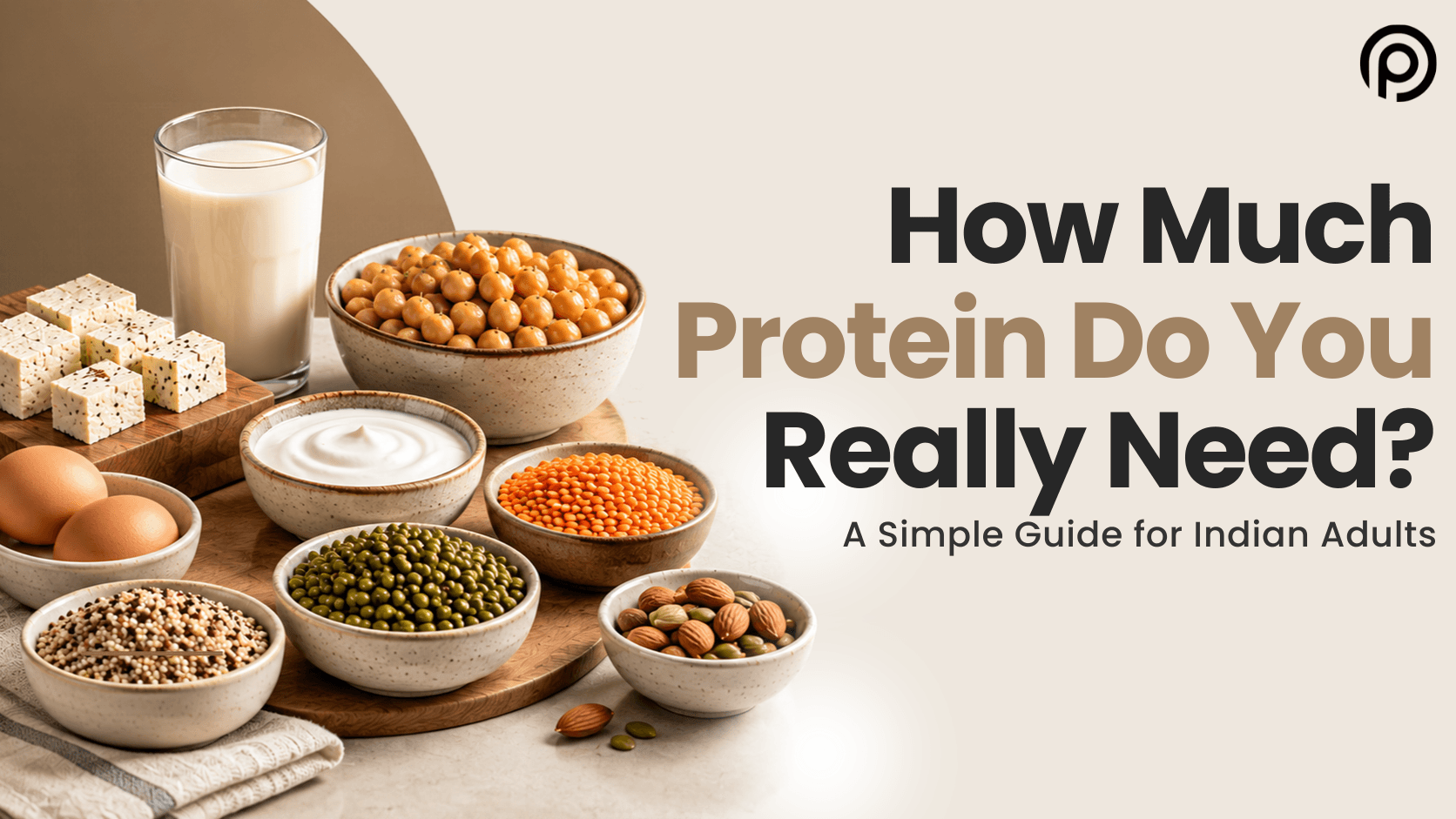
In reality, Indian kitchens already have several affordable and nutritious protein sources.
Here are some options:
Vegetarian Protein Sources
1. Paneer
Paneer is a versatile protein source that can be included in curries, bhurji, sandwiches and salads.
2. Dal
Moong dal, masoor dal, toor dal and urad dal provide protein along with fibre and other nutrients.
3. Chickpeas (Chana)
Chickpeas can be enjoyed as chana masala, boiled chana salad or roasted snacks.
4. Soybean and Tofu
Soybean and tofu are useful plant-based protein options. They can be included in curries, stir-fries and other meals.
5. Milk and Curd
Milk, plain curd and Greek yoghurt provide protein along with calcium and other nutrients.
6. Peanuts and Nuts
Peanuts, almonds and other nuts provide some protein, healthy fats and energy. However, they are not as protein-dense as many people assume.
Non-Vegetarian Protein Sources
1. Eggs
Eggs are an accessible source of high-quality protein and can be prepared in several ways.
2. Chicken
Chicken is a protein-rich food that can be included in grilled preparations, curries and homemade meals.
3. Fish
Fish provides protein and certain varieties also contain beneficial omega-3 fatty acids.
4. Prawns
Prawns are another protein-rich seafood option that can be included in balanced meals.
The key is to choose foods according to your dietary preferences, budget, availability and nutritional needs.
How to Spread Protein Across Your Meals
Eating your entire day's protein requirement in one meal is not necessary.
Instead, spreading protein across different meals can make it easier to meet your daily target and support muscle protein synthesis throughout the day.
Here is an example of how an Indian adult can include protein throughout the day:
Breakfast:
- 2 eggs with whole-wheat toast
- OR paneer bhurji with roti
- OR moong dal chilla with curd
Mid-Morning Snack:
- A bowl of plain curd
- OR roasted chana
- OR milk
Lunch:
- Roti or rice
- Dal or rajma
- Vegetable sabzi
- Curd or paneer
Evening Snack:
- Roasted chickpeas
- OR sprouts chaat
- OR a milk-based snack
Dinner:
- Roti or rice
- Paneer, tofu, chicken or fish
- Vegetables and salad
This is only an illustrative meal structure. Actual portions and protein quantities should be adjusted according to individual requirements.
Common Protein Myths You Should Stop Believing
There is a lot of confusion surrounding protein, especially when it comes to Indian diets.
Let's clear up some common myths.
Myth 1: Only People Who Go to the Gym Need Protein
Fact: Everyone needs protein. It supports essential body functions, tissue repair and muscle maintenance, regardless of whether someone exercises regularly.
Myth 2: Vegetarian Diets Cannot Provide Enough Protein
Fact: Vegetarian diets can provide sufficient protein through combinations of dal, beans, chickpeas, soy products, paneer, milk, curd and other foods. Meal planning is important.
Myth 3: Protein Supplements Are Necessary for Muscle Growth
Fact: Protein supplements are not compulsory. Most people can meet their requirements through regular food. Supplements may offer convenience when dietary intake is insufficient.
Myth 4: Eating More Protein Always Means More Muscle
Fact: Excess protein does not automatically lead to muscle growth. Muscle development also depends on resistance training, sufficient calories, recovery and consistency.
Myth 5: All Protein-Rich Foods Are the Same
Fact: Different foods contain different amounts and combinations of amino acids. Choosing a variety of protein sources helps improve overall dietary quality.
Signs Your Diet May Not Be Providing Enough Protein
Protein deficiency is not always easy to identify through symptoms alone. However, inadequate protein intake over time may contribute to:
- Reduced muscle mass and strength.
- Poor recovery after physical activity.
- Increased muscle weakness.
- Slow wound healing.
- Hair and skin changes.
- Fatigue, especially when overall nutrition is inadequate.
These symptoms can also occur due to other health conditions or nutritional deficiencies. If you experience persistent symptoms, consult a healthcare professional instead of assuming that protein intake is the cause.
Simple Tips to Improve Your Daily Protein Intake
You do not need to completely change your eating habits to improve your protein intake.
Start with these practical steps:
- Include at least one meaningful protein source in every main meal.
- Replace some low-protein snacks with roasted chana, curd, milk or boiled eggs.
- Add paneer, tofu, soybean or legumes to regular Indian recipes.
- Avoid depending only on rice, roti or other carbohydrate-based foods.
- Plan your meals in advance so that protein sources are available throughout the day.
- Include a variety of vegetarian and non-vegetarian protein foods according to your preferences.
- Track your food intake occasionally to understand whether you are meeting your nutritional requirements.
Small and consistent changes can make a meaningful difference to your overall diet quality.
Build a Protein-Friendly Routine with PayByCal
Understanding your protein requirement is the first step towards better nutrition. The next step is making sure your everyday meals support your nutritional goals.
PayByCal can help you become more mindful of your food choices, track your eating habits and build a consistent approach to healthy living.
Instead of following random diet trends or copying someone else's protein intake, focus on understanding your own requirements and creating a balanced routine.
Remember, good nutrition is not about eating more of one nutrient. It is about getting the right balance of protein, carbohydrates, fats, vitamins, minerals and fibre.
Final Thoughts
Protein is essential for everyone, not just athletes and fitness enthusiasts. It supports muscle health, tissue repair, immunity and several important functions within the body.
Your daily requirement depends on your body weight, age, activity level and health goals. By including affordable Indian foods such as dal, paneer, curd, chickpeas, eggs, fish and chicken, you can make it easier to meet your daily protein needs.
Start by understanding your requirements, distribute protein across your meals and make small improvements to your everyday food choices.
A balanced diet and consistent habits are more valuable than blindly following high-protein diet trends.
Download the application now
https://paybycal.com/download.html
- daily protein requirement india
- protein per kg body weight
- indian protein foods
- high protein diet
This article is for general education and is not medical advice. Please consult a qualified healthcare professional about your individual needs.