Healthy Lifestyle6 min read
How to Prepare for a Water Fast: Beginner Checklist
Planning matters. Use this simple checklist before considering a structured fasting routine.
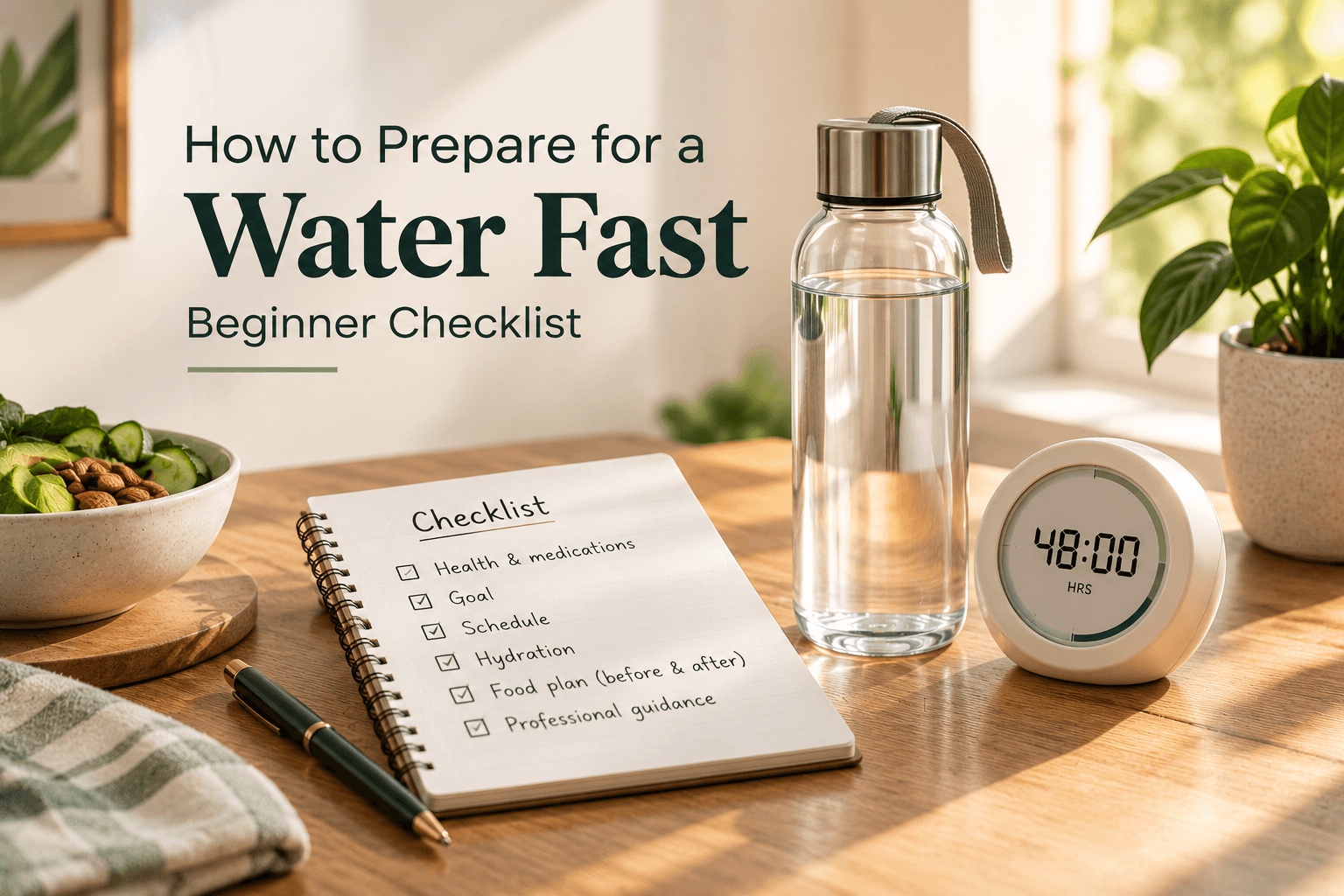
How to Prepare for a Water Fast: Beginner Checklist
Preparing for a water fast involves more than simply deciding when to stop eating. Before considering this type of fasting routine, it is important to understand your goals, review your health, consider potential risks, and know how your body may respond to changes in food intake.
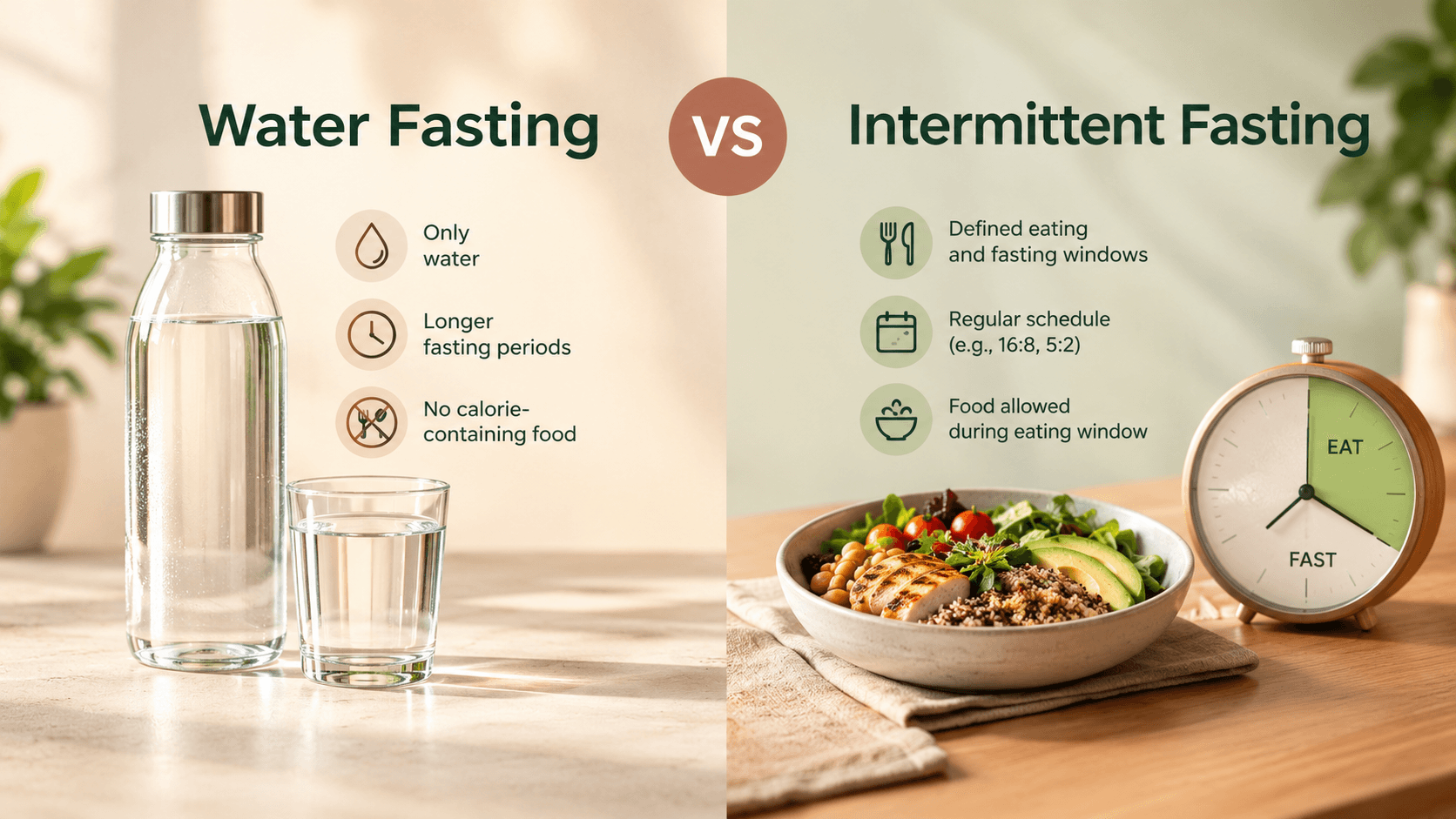
Water fasting involves avoiding food and consuming only water for a period of time. Although some people explore fasting for personal or health-related reasons, it is not suitable for everyone and can lead to dehydration, dizziness, low blood sugar, and electrolyte imbalances. A little planning can help you make more informed decisions and recognize when fasting may not be appropriate for you.
This beginner checklist covers the key points to consider before making any decisions about water fasting.
1. Understand Your Goal Before You Begin
Start by asking yourself why you are considering a water fast. Your goal may be related to your eating habits, weight management, or curiosity about fasting. Understanding your motivation can help you evaluate whether fasting is appropriate or whether a less restrictive approach would better suit your needs.
Avoid starting a fast because of social media trends, pressure to lose weight quickly, or the belief that you need to compensate for eating more than usual. Water fasting is not a requirement for improving health, and longer fasting periods do not automatically lead to better results.
2. Review Your Health Conditions and Medications
Your health history is one of the most important considerations before attempting a water fast. Fasting can affect blood sugar levels, blood pressure, hydration, and how certain medications work.
Speak with a qualified healthcare professional before considering fasting, particularly if you have diabetes, kidney or liver disease, low blood pressure, or another ongoing medical condition. People who are pregnant or breastfeeding, underweight, have a history of eating disorders, or are still growing should generally avoid water fasting unless specifically advised otherwise by an appropriate specialist.
Do not stop, delay, or change prescribed medication to accommodate a fasting schedule without medical advice.
3. Review Your Daily Schedule
Your regular routine can influence how you feel when your food intake changes. Work commitments, physical activity, sleep patterns, and daily responsibilities are all worth considering.
If you are feeling unwell, recovering from an illness, sleeping poorly, or facing a particularly demanding schedule, it is better to prioritize recovery and regular nourishment rather than introduce a restrictive eating routine.
Remember that planning a convenient time does not eliminate the health risks associated with fasting.
4. Understand Hydration and Its Limitations
Water is the only drink consumed during a traditional water fast, but drinking water alone does not make fasting risk-free. Both inadequate and excessive water intake can be harmful, and prolonged fasting can cause electrolyte imbalances that plain water cannot correct.
Pay attention to thirst and avoid forcing yourself to drink excessive amounts of water. Individual hydration needs vary depending on health, activity, environment, and other factors.
If you experience persistent dizziness, weakness, confusion, fainting, or a racing heartbeat, stop fasting and seek medical advice. Severe symptoms require urgent medical attention.
5. Avoid Extreme Eating Before a Fast
Some beginners assume they should eat excessively before fasting to prepare for a period without food. This is unnecessary and may leave you feeling uncomfortable.
Instead, maintain balanced, regular meals that include vegetables, fruits, whole grains, protein-rich foods, and healthy fats. Avoid using a water fast as a way to compensate for overeating or to create a cycle of restriction followed by excessive eating.
A consistent, balanced eating pattern is generally more sustainable than alternating between extreme restriction and normal eating.
6. Plan How You Will Return to Normal Meals
Returning to eating is an important part of fasting preparation that should not be overlooked. After a prolonged period without food, suddenly consuming large meals may cause digestive discomfort and, in some circumstances, dangerous metabolic complications.
The risks depend on the duration of the fast, your nutritional status, and your overall health. Extended fasting may require supervised refeeding, so consult a healthcare professional before attempting it.
Avoid planning an extended fast without a clear, medically appropriate plan for resuming food intake.
7. Set Clear Limits and Know When to Stop
Before considering any fasting routine, understand that you do not need to push through symptoms to prove your determination. Feeling faint, unusually weak, confused, or seriously unwell is not a sign that fasting is working.
Be prepared to stop if you feel unwell and seek appropriate medical help. Do not extend a fast simply because you completed a shorter period or because someone else claims to have fasted for longer.
A health-related decision should be guided by safety, not by a personal challenge or an online fasting target.
8. Consider Professional Guidance
If you are interested in fasting for weight management or another health goal, a registered dietitian or qualified healthcare professional can help you assess the potential benefits and risks in the context of your individual needs.
They may also suggest alternatives, such as balanced meal planning, regular physical activity, consistent sleep, or a less restrictive eating pattern. These approaches can support long-term health without requiring prolonged periods without food.
Professional guidance is particularly important when considering extended fasting, taking medication, or managing an existing health condition.
Beginner Water Fasting Preparation Checklist
Use this checklist to review the key considerations before making a decision.
- I understand why I am considering fasting.
- I have reviewed my health history and current medications with an appropriate healthcare professional.
- I understand that water fasting is not suitable for everyone.
- I know that excessive water intake can also be harmful.
- I am not using fasting to compensate for overeating or pursue rapid weight loss.
- I understand the warning signs that mean I should stop and seek medical help.
- I have considered how I will return to regular meals safely.
- I have explored less restrictive alternatives that may better support my goals.
- I will seek professional guidance before considering an extended fast.
Common Mistakes Beginners Should Avoid
A few common misconceptions can make fasting riskier than necessary:
- Starting without reviewing your health: A routine that seems manageable for one person may be unsafe for another.
- Assuming more fasting means better results: Longer fasting periods can increase health risks and are not automatically more beneficial.
- Ignoring symptoms: Dizziness, fainting, confusion, and unusual weakness should never be treated as achievements.
- Drinking excessive amounts of water: More water is not always better, and excess intake can disrupt the body's electrolyte balance.
- Ignoring the return to eating: Refeeding after prolonged fasting can require medical supervision.
- Following online challenges without guidance: Advice shared online may not account for your medical history or nutritional needs.
Conclusion
Preparing for a water fast begins with understanding your goals, reviewing your health, considering hydration, and recognizing the potential risks. It also means knowing when fasting is inappropriate and why professional guidance matters, particularly for extended fasting periods.
There is no need to treat fasting as a test of willpower or a shortcut to better health. A balanced, sustainable eating routine may be a more suitable option for many people. Before attempting a water fast, prioritize your health, make informed decisions, and consult a qualified professional when needed.
Disclaimer: This article is for educational purposes only and is not a substitute for personalized medical advice. Water fasting can carry significant risks. Consult a qualified healthcare professional before considering a fasting routine, especially an extended fast.
Download the application now
- Prepare for fasting
- fasting checklist
- water fasting preparation
This article is for general education and is not medical advice. Please consult a qualified healthcare professional about your individual needs.