Healthy Lifestyle15 min read
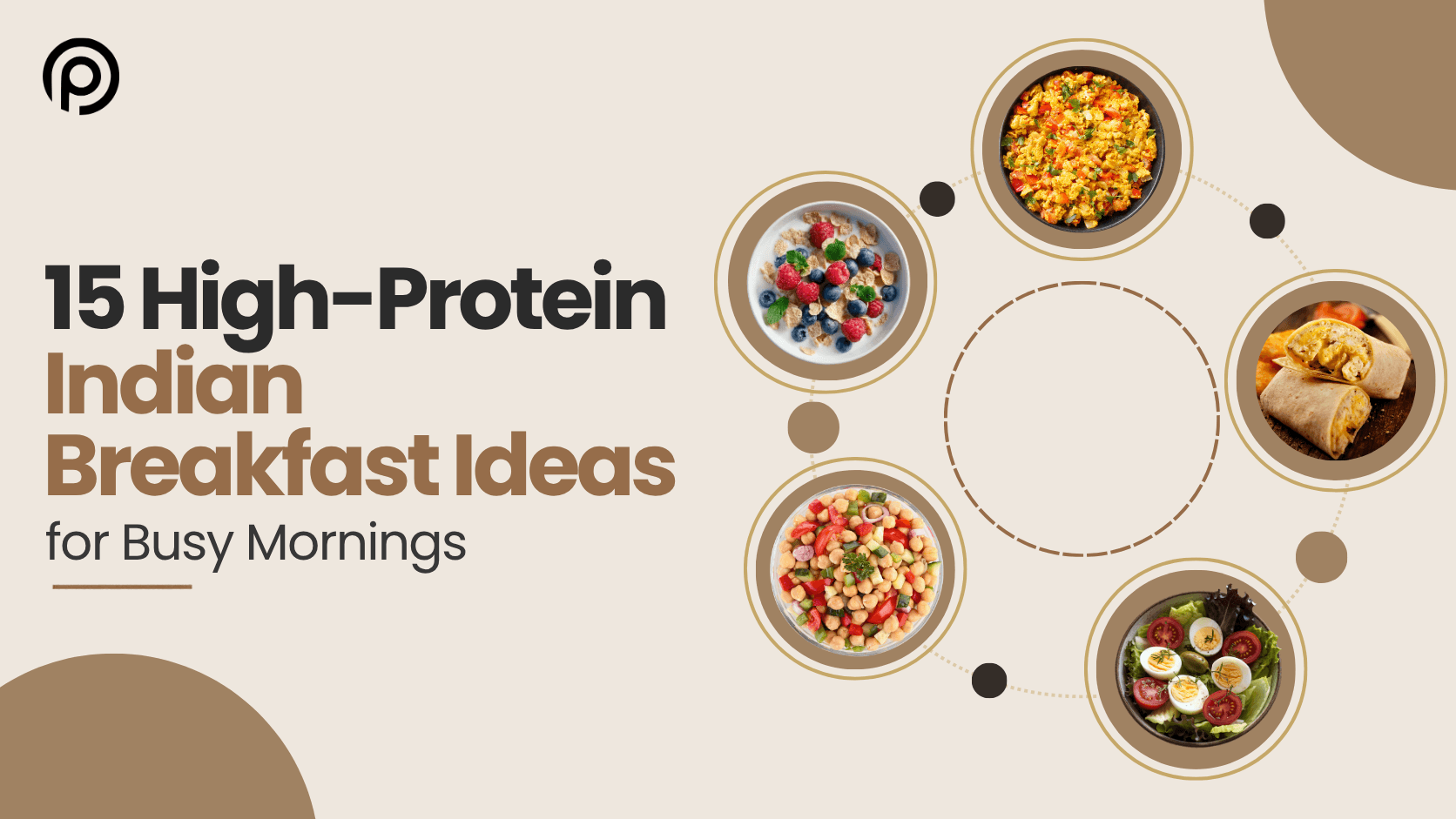
15 High-Protein Indian Breakfast Ideas for Busy Mornings
Looking for healthy and filling breakfast options? Explore 15 high-protein Indian breakfast ideas, including vegetarian and non-vegetarian choices, easy preparation tips, protein boosters, and practical meal combinations for busy mornings.
15 High-Protein Indian Breakfast Ideas for Busy Mornings
Breakfast is often called the most important meal of the day, but busy mornings can make it difficult to prepare something nutritious. Many people end up choosing tea and biscuits, plain toast, or other quick options that may not provide enough protein to keep them satisfied.
If you are trying to improve your eating habits, manage your weight, build muscle, or simply maintain a balanced diet, adding protein to your breakfast can be a useful step.
Protein is an essential nutrient that supports muscle maintenance, tissue repair, and several important functions in the body. Including protein-rich foods in your morning meal can also help make breakfast more satisfying and contribute to your overall daily protein intake.
The good news is that you do not need expensive ingredients or complicated recipes to prepare a protein-rich Indian breakfast. Everyday foods such as dal, paneer, curd, sprouts, eggs, milk, and besan can help you create nutritious and delicious meals.
In this guide, we will explore 15 high-protein Indian breakfast ideas, including vegetarian and non-vegetarian options that are practical for busy mornings.
Why Should You Include Protein in Your Breakfast?
Protein plays an important role in maintaining overall health. Starting your day with a protein-containing meal can help you build a more balanced eating routine.
Here are some reasons to include protein in your breakfast:
1. Supports Muscle Health
Protein provides amino acids that help maintain and repair muscles. It is particularly important for people who exercise regularly, strength train, or want to maintain muscle mass.
2. Helps You Feel Satisfied
Protein-rich meals can help you feel fuller for longer. This may reduce the tendency to reach for frequent snacks between meals, although overall meal composition and individual appetite also matter.
3. Supports Weight Management
When combined with fibre-rich foods and appropriate portions, protein can help make meals more satisfying. This can support a sustainable weight-management routine.
4. Supports Daily Nutritional Requirements
Your body needs protein throughout the day for tissue maintenance, enzyme production, immune function, and other essential processes. Including some at breakfast makes it easier to distribute protein across your meals.
5. Makes Breakfast More Balanced
Combining protein with complex carbohydrates, healthy fats, and fibre creates a more balanced breakfast than relying only on refined carbohydrates.
15 High-Protein Indian Breakfast Ideas
Here are 15 delicious breakfast options that you can include in your weekly meal routine.
1. Moong Dal Chilla
Moong dal chilla is one of the easiest vegetarian breakfast options for people looking to increase their protein intake.
Made using soaked and ground moong dal, these savoury pancakes are rich in plant-based protein. You can add chopped onions, tomatoes, coriander, green chillies, and grated carrots for additional flavour and nutrients.
How to prepare:
- Soak yellow or green moong dal for a few hours.
- Grind it into a smooth batter.
- Add chopped vegetables and basic spices.
- Spread the batter on a heated pan.
- Cook both sides using a small amount of oil.
Protein boost: Serve with plain curd or paneer stuffing.
Approximate protein: 12–18 g per serving, depending on the quantity of dal and accompanying curd or stuffing.
2. Paneer Bhurji with Whole Wheat Roti
Paneer bhurji is a filling and versatile Indian breakfast option. Paneer provides protein and calcium, while vegetables add fibre and essential micronutrients.
How to prepare:
- Crumble fresh paneer.
- Heat a little oil in a pan.
- Add onions, tomatoes, capsicum, and spices.
- Mix in the paneer and cook for a few minutes.
- Serve with one or two whole wheat rotis.
Protein boost: Add extra paneer or serve with a bowl of plain curd.
Approximate protein: 18–25 g per serving, depending on paneer quantity and portion size.
3. Besan Chilla with Curd
Besan, or gram flour, is a convenient plant-based protein source commonly used in Indian kitchens.
Besan chilla can be prepared quickly and does not require overnight soaking. It is a suitable option for people who want a simple breakfast before heading to work.
How to prepare:
- Mix besan with water to make a smooth batter.
- Add onions, tomatoes, coriander, turmeric, and spices.
- Spread the batter on a heated pan.
- Cook until both sides are golden.
- Serve with plain curd.
Protein boost: Add grated paneer to the batter or use a curd-based dip.
Approximate protein: 12–18 g per serving.
4. Sprouts Chaat
Sprouts chaat is a refreshing breakfast option that provides plant protein, fibre, and several micronutrients.
You can use sprouted moong, black chana, or a combination of both.
How to prepare:
- Use properly prepared and cooked sprouts.
- Add chopped cucumber, tomatoes, onions, and coriander.
- Season with lemon juice, roasted cumin powder, and black salt.
- Mix everything well and serve fresh.
Protein boost: Add boiled kala chana or roasted peanuts.
Approximate protein: 10–15 g per serving, depending on the quantity and combination of sprouts.
5. Idli with Sambar
Idli with sambar is a popular South Indian breakfast combination. While idli is primarily a carbohydrate source, sambar provides additional protein through dal.
This combination can become more balanced when served with a generous portion of dal-rich sambar.
How to prepare:
- Prepare soft idlis using fermented batter.
- Make sambar using toor dal and vegetables.
- Serve two or three idlis with a generous bowl of sambar.
Protein boost: Increase the dal content in sambar or add a side of plain curd.
Approximate protein: 10–15 g per serving, depending on the number of idlis and quantity of sambar.
6. Greek Yoghurt with Nuts and Seeds
For people who prefer a quick breakfast without cooking, Greek yoghurt is a convenient protein-rich option.
It provides protein along with calcium. Nuts and seeds contribute healthy fats, fibre, and additional nutrients.
How to prepare:
- Take a bowl of plain Greek yoghurt.
- Add almonds, walnuts, pumpkin seeds, and chia seeds.
- Include fresh fruits such as banana, apple, or berries.
- Add a little cinnamon for flavour.
Protein boost: Choose unsweetened, high-protein Greek yoghurt and add pumpkin seeds.
Approximate protein: 15–22 g per serving, depending on the yoghurt brand and toppings.
7. Egg Bhurji with Whole Wheat Toast
Egg bhurji is a practical non-vegetarian breakfast that can be prepared within minutes.
Eggs provide complete protein, along with nutrients such as vitamin B12 and choline.
How to prepare:
- Beat two eggs in a bowl.
- Heat a little oil in a pan.
- Add onions, tomatoes, green chillies, and spices.
- Pour in the eggs and scramble until fully cooked.
- Serve with whole wheat toast.
Protein boost: Add an extra egg or serve with a glass of milk.
Approximate protein: 15–20 g per serving, depending on the number of eggs and bread portions.
8. Oats with Milk, Nuts and Seeds
Oats are a popular breakfast choice because they are easy to prepare and provide fibre.
However, plain oats alone may not provide much protein. Preparing them with milk and adding nuts or seeds can improve their nutritional value.
How to prepare:
- Cook oats in milk instead of water.
- Add almonds, walnuts, and pumpkin seeds.
- Include banana or apple for natural sweetness.
- Add a little cinnamon if desired.
Protein boost: Add Greek yoghurt or a suitable amount of milk powder.
Approximate protein: 12–18 g per serving, depending on the milk and toppings.
9. Chicken Sandwich
A chicken sandwich can be an excellent breakfast option for people who eat non-vegetarian food and need something convenient.
It provides protein and can be prepared in advance for busy mornings.
How to prepare:
- Use cooked, shredded chicken breast.
- Mix with curd, black pepper, and herbs.
- Add cucumber, lettuce, tomatoes, and onions.
- Place the filling between two slices of whole wheat bread.
Protein boost: Increase the chicken portion and avoid relying heavily on mayonnaise.
Approximate protein: 22–30 g per serving, depending on the chicken quantity and bread.
10. Soya Chunk Upma
Soya chunks are among the most protein-rich plant-based foods and can be included in a variety of Indian recipes.
Adding them to upma makes a familiar breakfast more protein-rich and filling.
How to prepare:
- Soak soya chunks in hot water.
- Squeeze out excess water and chop them.
- Prepare upma using vegetables, mustard seeds, curry leaves, and semolina.
- Mix in the cooked soya chunks.
- Cook until everything is well combined.
Protein boost: Add extra soya chunks and vegetables to improve the overall nutritional value.
Approximate protein: 18–25 g per serving, depending on the amount of soya chunks used.
11. Egg Dosa
Egg dosa is a simple way to add protein to a familiar South Indian breakfast.
It combines the carbohydrates from dosa batter with high-quality protein from eggs.
How to prepare:
- Prepare a dosa on a heated pan.
- Crack one or two eggs over the dosa.
- Spread the egg gently over the surface.
- Add pepper, onions, coriander, and spices.
- Cook until the egg is completely set.
Protein boost: Serve with sambar or add an extra egg.
Approximate protein: 12–18 g per serving, depending on the number of eggs and dosa size.
12. Paneer Stuffed Paratha
Parathas do not need to be avoided when following a balanced eating routine. The ingredients and portion sizes make a difference.
Paneer-stuffed paratha combines whole wheat flour with a protein-rich filling.
How to prepare:
- Crumble paneer in a bowl.
- Add coriander, cumin, green chillies, and spices.
- Prepare whole wheat dough.
- Stuff the dough with the paneer mixture.
- Roll and cook using a small amount of oil or ghee.
Protein boost: Use a generous paneer filling and serve with plain curd.
Approximate protein: 15–22 g per serving, depending on the paneer quantity and size of the paratha.
13. Dal Dosa
Dal dosa is another useful breakfast option for people who enjoy South Indian food.
Depending on the recipe, it can be prepared using a combination of urad dal, moong dal, and other lentils.
How to prepare:
- Soak the selected dals.
- Grind them into a smooth batter.
- Add cumin, ginger, green chillies, and coriander.
- Spread the batter on a heated pan.
- Cook until both sides are properly done.
Protein boost: Serve with sambar or a paneer-based filling.
Approximate protein: 10–16 g per serving, depending on the dal combination and portion size.
14. Boiled Eggs with Whole Wheat Toast and Fruit
Sometimes, the simplest breakfast combinations are the easiest to maintain.
Boiled eggs require very little preparation and can be made in advance. Pairing them with whole wheat toast and fruit creates a convenient, balanced breakfast.
How to prepare:
- Boil two eggs until fully cooked.
- Serve with one or two slices of whole wheat toast.
- Add a seasonal fruit such as an apple, orange, or guava.
- Season the eggs with pepper and a little salt.
Protein boost: Add an extra egg or a glass of milk if needed.
Approximate protein: 16–20 g per serving, depending on the number of eggs and toast.
15. High-Protein Poha with Peanuts and Sprouts
Poha is a common Indian breakfast, especially in Maharashtra and other parts of India. Traditional poha is mainly carbohydrate-based, but you can improve its protein content by adding sprouts and peanuts.
How to prepare:
- Wash and soften flattened rice.
- Prepare a tempering using mustard seeds, curry leaves, onions, and green chillies.
- Add peanuts and cooked sprouts.
- Mix in the poha and season with turmeric and lemon juice.
- Garnish with coriander.
Protein boost: Add boiled kala chana or serve with a bowl of curd.
Approximate protein: 9–14 g per serving, depending on the quantity of peanuts, sprouts, and accompanying curd.
Vegetarian vs Non-Vegetarian High-Protein Breakfast Options
Both vegetarian and non-vegetarian diets can provide sufficient protein when planned appropriately.
Here is a quick comparison of the breakfast options discussed above.
| Vegetarian OptionsNon-Vegetarian Options | |
| Moong dal chilla | Egg bhurji |
| Paneer bhurji | Chicken sandwich |
| Besan chilla | Egg dosa |
| Sprouts chaat | Boiled eggs with toast |
| Greek yoghurt bowl | |
| Soya chunk upma | |
| Paneer paratha | |
| Dal dosa | |
| High-protein poha |
Vegetarian meals can combine different protein sources such as pulses, dairy, soy, nuts, and seeds. Non-vegetarian meals can include eggs, chicken, fish, and dairy products.
The best option is one that suits your food preferences, nutritional requirements, budget, and daily routine.
How to Build a Balanced High-Protein Breakfast
Eating a high-protein breakfast does not mean eating only protein-rich foods.
A balanced breakfast should include a combination of different nutrients.
You can follow this simple formula:
1. Include a Protein Source
Choose one or more options such as:
- Paneer
- Eggs
- Moong dal
- Besan
- Greek yoghurt
- Milk
- Soya chunks
- Sprouts
- Chicken
2. Add a Fibre-Rich Food
Fibre supports digestive health and contributes to meal satisfaction.
Include:
- Seasonal fruits
- Vegetables
- Whole grains
- Oats
- Sprouts
3. Include Healthy Fats
Healthy fats help make meals more balanced and contribute to overall nutrient intake.
Good options include:
- Almonds
- Walnuts
- Peanuts
- Chia seeds
- Flaxseeds
- Pumpkin seeds
4. Choose Appropriate Carbohydrates
Carbohydrates provide energy and can be included through:
- Whole wheat roti
- Oats
- Idli
- Poha
- Whole wheat bread
- Dosa
The goal is not to eliminate carbohydrates but to combine them with protein, fibre, and other nutrients.
Easy Protein Boosters to Add to Your Regular Breakfast
You do not always need to prepare an entirely different meal to increase your protein intake.
Small changes to your regular breakfast can make a difference.
Here are some simple ideas:
- Add paneer stuffing to your regular paratha.
- Serve poha with a bowl of plain curd.
- Add boiled eggs to your breakfast toast.
- Mix sprouts into your upma or poha.
- Prepare oats using milk instead of water.
- Add roasted peanuts to your vegetable chaat.
- Include besan or moong dal chilla instead of relying only on plain toast.
- Add pumpkin seeds to your yoghurt bowl.
- Include soya chunks in pulao or upma.
- Serve idli with a generous portion of dal-rich sambar.
These small changes can help you increase the protein content of familiar meals without making your breakfast routine complicated.
Meal Preparation Tips for Busy Mornings
One of the biggest challenges with healthy eating is finding time to cook every day.
Planning a few ingredients in advance can make protein-rich breakfasts easier to maintain.
1. Soak Dal Overnight
If you enjoy moong dal chilla or dal dosa, soak the dal the previous night. This reduces preparation time in the morning.
2. Boil Eggs in Advance
Boiled eggs can be prepared ahead of time and refrigerated safely. Keep them properly refrigerated and consume within a suitable storage period.
3. Prepare Paneer Filling in Advance
Prepare a paneer and vegetable mixture and store it in the refrigerator. You can use it for sandwiches, wraps, and parathas.
4. Keep Protein-Rich Ingredients Available
Stock your kitchen with eggs, paneer, curd, milk, sprouts, roasted chana, peanuts, and soya chunks.
5. Plan Your Breakfast Menu
Decide your breakfast options for the week instead of making the decision every morning. This can help reduce dependence on packaged snacks and less balanced choices.
6. Choose Simple Recipes
You do not need elaborate recipes every day. A bowl of Greek yoghurt with nuts, boiled eggs with toast, or paneer bhurji with roti can be practical options.
How Much Protein Should You Eat in Breakfast?
There is no single protein requirement that applies to everyone.
Your daily protein needs depend on several factors, including:
- Body weight
- Age
- Physical activity
- Exercise routine
- Health conditions
- Pregnancy or breastfeeding status
- Individual nutritional goals
For many healthy adults, a breakfast containing approximately 15–25 grams of protein can be a practical starting point, although individual requirements may be lower or higher.
For example:
- A person with a sedentary lifestyle may have different needs from someone who strength trains regularly.
- Someone working towards muscle development may benefit from a higher overall daily protein intake.
- Older adults may need particular attention to protein intake to support muscle maintenance.
Remember that breakfast is only one part of your daily diet. Your total protein intake across lunch, dinner, and snacks is equally important.
If you have kidney disease or another medical condition requiring dietary adjustments, consult a qualified healthcare professional before significantly increasing your protein intake.
Common Mistakes to Avoid When Choosing a High-Protein Breakfast
Even when trying to eat more protein, certain mistakes can make your breakfast less balanced.
1. Depending Only on Carbohydrates
Plain bread, biscuits, or poha without protein-rich additions may not provide a balanced meal. Try including curd, eggs, sprouts, paneer, or another protein source.
2. Assuming Every Healthy Food Is High in Protein
Foods such as fruits, plain vegetables, and many breakfast cereals can be nutritious, but they may not provide substantial protein. Combine them with protein-rich foods.
3. Ignoring Portion Sizes
Eating protein-rich foods is helpful, but the quantity matters. A small serving of paneer or a few peanuts may not provide as much protein as you expect.
4. Using Too Many Processed Ingredients
Packaged protein bars, flavoured yoghurt, and processed breakfast products can contain added sugar, excess sodium, or other ingredients. Check nutritional labels before choosing them regularly.
5. Skipping Breakfast Because of a Busy Schedule
If you are genuinely hungry in the morning, skipping a meal because of poor planning may lead to irregular eating patterns. Prepare convenient options in advance so that a nutritious breakfast is easier to manage.
A Simple 7-Day High-Protein Indian Breakfast Plan
If you are unsure what to eat every morning, here is a simple weekly breakfast schedule to get started.
| DayBreakfast Idea | |
| Monday | Moong dal chilla with curd |
| Tuesday | Paneer bhurji with whole wheat roti |
| Wednesday | Egg bhurji with whole wheat toast |
| Thursday | Sprouts chaat with peanuts and curd |
| Friday | Soya chunk upma |
| Saturday | Paneer stuffed paratha with curd |
| Sunday | Greek yoghurt bowl with nuts and seeds |
You can replace the non-vegetarian options with paneer, dal, or soya-based alternatives according to your preferences.
Adjust portion sizes based on your appetite, activity level, and nutritional requirements.
Frequently Asked Questions (FAQs)
1. What is the best high-protein Indian breakfast for weight loss?
Moong dal chilla, paneer bhurji, sprouts chaat, besan chilla, and eggs with whole wheat toast can be useful options. Choose appropriate portions and combine protein with vegetables and fibre-rich foods. No single breakfast automatically causes weight loss.
2. Which vegetarian Indian breakfast is highest in protein?
Soya chunk upma, paneer bhurji, paneer-stuffed paratha, and moong dal chilla can provide substantial protein. Their protein content depends on the amount of the main ingredient used.
3. Can I eat poha on a high-protein diet?
Yes. Poha can be part of a high-protein diet. Add peanuts, sprouts, boiled kala chana, or a side of curd to increase its protein content.
4. Are eggs a good breakfast option for protein?
Yes. Eggs are a convenient source of high-quality protein. You can prepare them as boiled eggs, omelettes, or egg bhurji and combine them with whole grains and vegetables.
5. Is eating protein in the morning better than eating it at night?
Protein is important throughout the day. Including it in breakfast can help distribute your daily protein intake across meals, but the total amount consumed over the day is also important.
6. Can I have a high-protein breakfast without cooking?
Yes. Greek yoghurt with nuts and seeds, milk with oats, and prepared boiled eggs are convenient options. You can also prepare sprouts chaat using properly cooked sprouts.
7. Is paneer good for a high-protein breakfast?
Yes. Paneer provides protein and calcium. It can be included in bhurji, stuffed parathas, sandwiches, and wraps. The nutritional content varies depending on the type of paneer and portion size.
8. Can high-protein breakfasts help with muscle building?
A protein-rich breakfast can contribute to your daily protein requirements, which support muscle maintenance and growth when combined with appropriate strength training and adequate overall nutrition.
Final Thoughts
A nutritious breakfast does not have to be complicated, expensive, or time-consuming. With familiar Indian ingredients such as dal, paneer, curd, eggs, sprouts, soya chunks, and nuts, you can prepare a variety of protein-rich meals.
The key is to choose meals that fit your lifestyle and provide a good combination of protein, fibre, healthy fats, and carbohydrates.
Start with a few simple changes. Add curd to your poha, prepare moong dal chilla instead of a less balanced breakfast, or include paneer or eggs in your morning meal.
Consistency matters more than following a perfect breakfast routine every day.
Save your favourite breakfast ideas and track your nutrition goals with PayByCal. Small, consistent food choices can help you build healthier habits over time.
Download the application now
https://paybycal.com/download.html
- high protein indian breakfast
- protein breakfast vegetarian india
- healthy indian breakfast
- breakfast for weight loss
- protein rich foods
- healthy breakfast ideas
- vegetarian protein sources
- non vegetarian breakfast
- PayByCal
This article is for general education and is not medical advice. Please consult a qualified healthcare professional about your individual needs.