Healthy Lifestyle9 min read
PCOS Diet for Indian Women: What to Eat, What to Limit & What Actually Matters
PCOS is a common hormonal condition that can affect menstrual cycles, metabolism, skin health and fertility. A balanced diet with adequate protein, fibre and healthy fats can support overall health and help manage some PCOS-related concerns. Discover practical Indian food choices, meal ideas and nutrition habits that can make everyday eating easier for women with PCOS.
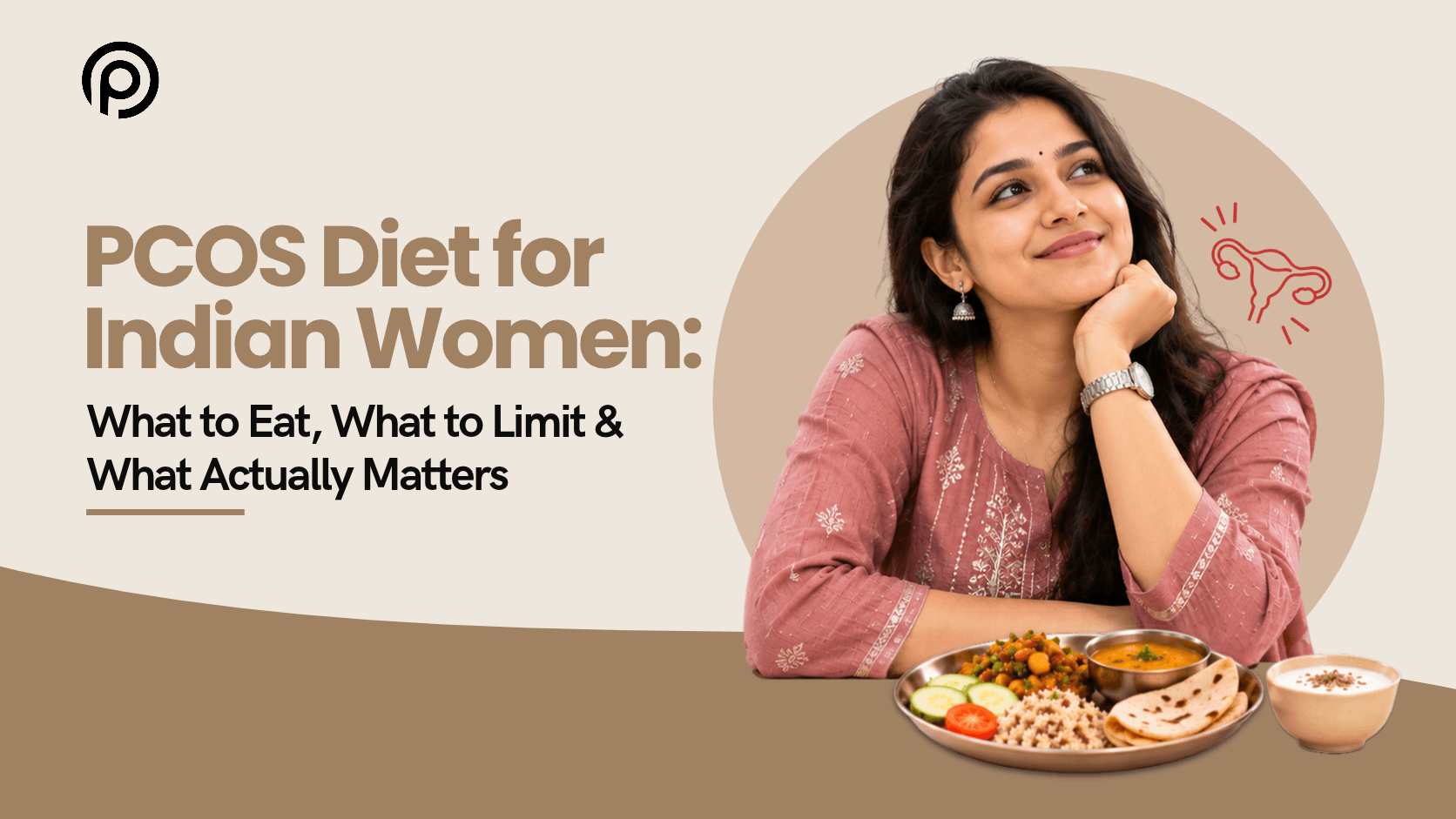
PCOS Diet for Indian Women: What to Eat, What to Limit & What Actually Matters
Polycystic Ovary Syndrome (PCOS), also known as PCOD in common Indian usage, is a hormonal and metabolic condition that affects many women during their reproductive years. It can be associated with irregular periods, acne, unwanted facial hair, weight changes, difficulty with ovulation and insulin resistance. However, symptoms and experiences differ from one woman to another.
Diet plays an important role in supporting overall health when living with PCOS. The right eating pattern can help improve blood sugar management, support metabolic health, maintain energy levels and make weight management more sustainable where needed.
But managing PCOS does not mean giving up rice, roti, potatoes or all your favourite Indian foods. Instead, the focus should be on building balanced meals, choosing nutritious ingredients and following eating habits that are realistic for everyday life.
Let's understand what to eat, what to limit and what actually matters when planning a PCOS-friendly Indian diet.
Understanding PCOS and the Role of Nutrition
PCOS is a complex condition involving hormonal changes, and many women with PCOS also experience insulin resistance. This means the body's cells may not respond effectively to insulin, the hormone that helps regulate blood glucose levels.
When insulin resistance is present, the body may produce more insulin to compensate. Higher insulin levels can influence androgen production and contribute to certain PCOS symptoms.
Nutrition can support better metabolic health by helping regulate blood glucose levels, providing essential nutrients and supporting a healthy body composition.
However, there is no single diet that works for every woman with PCOS. A sustainable eating pattern should consider individual symptoms, food preferences, lifestyle, activity levels and medical requirements.
1. Build Your Meals Around Protein
Protein is an important part of a balanced PCOS diet. It supports muscle maintenance, tissue repair and overall body functions. Including protein in meals can also improve fullness and help create more balanced meals.
Indian diets offer several affordable protein options, including vegetarian and non-vegetarian foods.
Good protein-rich options include:
- Paneer and tofu
- Curd and Greek yoghurt
- Milk and unsweetened dairy products
- Dal, rajma, chana and other legumes
- Soybeans and sprouts
- Eggs
- Chicken and fish
For example, instead of eating only poha or plain upma for breakfast, consider adding curd, sprouts, paneer or eggs to make the meal more balanced.
The aim is not to follow an extremely high-protein diet but to include an appropriate protein source throughout the day.
2. Choose Fibre-Rich Foods for Better Blood Sugar Management
Fibre is particularly useful in a PCOS-friendly eating pattern because it supports digestive health, improves fullness and can help moderate the rise in blood glucose after meals.
Indian meals can naturally provide plenty of fibre when they include vegetables, fruits, pulses and whole grains.
Include more of these foods:
- Oats and whole-wheat atta
- Brown rice and other whole grains
- Moong dal, chana and rajma
- Spinach, methi, beans and carrots
- Guava, apples, oranges and pears
- Chia seeds and flaxseeds
Try adding vegetables to your lunch and dinner rather than depending mainly on rice or roti.
You can also include whole fruits instead of fruit juices because whole fruits provide fibre and generally offer better fullness.
3. Do You Need to Stop Eating Rice and Roti?
One of the most common PCOS diet myths is that women with PCOS must completely avoid carbohydrates.
This is not true.
Carbohydrates provide energy and can be part of a balanced diet. The type, portion size and combination of foods matter more than eliminating an entire food group.
Rice, roti, poha, idli and dosa can all fit into a balanced Indian eating pattern.
Practical ways to balance carbohydrates:
- Pair rice or roti with dal, curd, paneer or another protein source.
- Include vegetables with your main meals.
- Choose whole grains more frequently when suitable.
- Avoid making meals consist almost entirely of refined carbohydrates.
- Pay attention to portions based on your individual energy needs.
For example, a meal containing rice, rajma, vegetable sabzi and curd provides a combination of carbohydrates, protein, fibre and other nutrients.
You do not need to eliminate rice to manage PCOS.
4. Include Healthy Fats in Your Daily Diet
Healthy fats support hormone production, nutrient absorption and overall health. They also contribute to meal satisfaction.
Instead of avoiding all fats, focus on choosing appropriate sources and maintaining balanced portions.
Healthy fat sources include:
- Almonds and walnuts
- Flaxseeds and chia seeds
- Pumpkin and sunflower seeds
- Peanuts
- Sesame seeds
- Mustard oil and groundnut oil
- Other unsaturated vegetable oils
You can add a small portion of nuts to breakfast, sprinkle seeds over curd or include them in homemade snacks.
Remember that healthy fats are still energy-dense, so portion sizes matter.
5. What Foods Should Women with PCOS Limit?
There is no universal list of forbidden foods for PCOS. However, certain foods are best consumed less frequently, particularly when they displace more nutritious options.
Consider limiting:
Sugary beverages: Soft drinks, packaged fruit drinks and heavily sweetened beverages can add significant amounts of sugar without providing much nutritional value.
Highly refined snacks: Regular consumption of biscuits, packaged namkeen, chips and refined bakery products may make it harder to maintain a balanced eating pattern.
Excessively sugary foods: Sweets, cakes, pastries and desserts can be enjoyed occasionally, but frequent large portions may affect overall dietary quality.
Deep-fried foods: Regularly consuming large amounts of fried snacks can increase overall calorie intake and displace more nutrient-rich foods.
Highly processed meals: Instant noodles, packaged snacks and fast food may be low in fibre and other essential nutrients.
The goal is not to develop fear around food. An occasional sweet or favourite snack does not ruin your PCOS management efforts. Consistency over time matters more than perfection at every meal.
6. Does Meal Timing Matter for PCOS?
Meal timing can influence daily energy levels, hunger patterns and blood glucose management. However, there is no single meal schedule that every woman with PCOS must follow.
Some women feel better with three balanced meals, while others prefer including one or two nutritious snacks.
A practical routine could look like this:
- Eat breakfast according to your morning routine and hunger.
- Include balanced lunches with protein, vegetables and carbohydrates.
- Avoid regularly skipping meals if it leads to excessive hunger later.
- Choose nutritious snacks when needed.
- Keep dinner balanced and suitable for your schedule.
Rather than following strict fasting schedules or extreme meal restrictions, focus on maintaining a routine that supports your nutritional needs and daily lifestyle.
7. Sample Indian PCOS-Friendly Meal Ideas
A PCOS-friendly meal plan does not have to include expensive ingredients or complicated recipes. Regular Indian household foods can provide a balanced and nutritious diet.
Here are some practical meal combinations:
Breakfast options:
- Vegetable poha with peanuts and curd
- Moong dal chilla with paneer filling
- Idli with sambar
- Vegetable oats with boiled eggs
- Besan chilla with mint chutney and curd
Mid-morning options:
- One whole fruit with a few almonds
- Unsweetened curd
- Seasonal fruit with pumpkin seeds
Lunch options:
- Two rotis with dal, mixed vegetable sabzi and curd
- Rice with rajma and cucumber salad
- Vegetable khichdi with curd
- Roti with paneer bhurji and vegetable salad
- Rice with fish curry and cooked vegetables
Evening snack options:
- Roasted chana
- Sprouts chaat
- Buttermilk
- Boiled eggs
- Homemade paneer cubes
Dinner options:
- Roti with mixed vegetable sabzi and dal
- Grilled chicken with vegetables and roti
- Vegetable dal khichdi with curd
- Tofu or paneer bhurji with whole-wheat roti
- Fish curry with rice and vegetables
These are meal ideas rather than a fixed prescription. Portion sizes and food choices should be adjusted according to individual nutritional needs, preferences and activity levels.
8. Common PCOS Diet Myths You Should Stop Believing
There is a lot of conflicting nutrition advice online, which can make PCOS management confusing.
Let's clear up some common misconceptions.
Myth 1: Women with PCOS must completely stop eating rice.
Fact: Rice can be included in a balanced diet. Pairing it with protein-rich foods and vegetables can improve the overall nutritional quality of the meal.
Myth 2: Losing weight is the only way to manage PCOS.
Fact: PCOS can affect women across different body sizes. Nutrition, physical activity, sleep and appropriate medical care matter regardless of weight.
Myth 3: Fruits should be avoided because they contain sugar.
Fact: Whole fruits provide fibre, vitamins, minerals and antioxidants. Most women with PCOS can include a variety of fruits in appropriate portions.
Myth 4: A gluten-free diet is necessary for PCOS.
Fact: Gluten avoidance is not routinely required unless there is a diagnosed condition or another medical reason to avoid gluten.
Myth 5: Dairy products always worsen PCOS.
Fact: There is insufficient evidence to recommend that all women with PCOS eliminate dairy. Individual tolerance and nutritional requirements should guide food choices.
Myth 6: Supplements can cure PCOS.
Fact: No supplement is a guaranteed cure for PCOS. Some supplements may have a role in selected situations, but their suitability, dosage and potential interactions should be discussed with a qualified healthcare professional.
9. Lifestyle Habits That Support PCOS Management
Nutrition is only one part of managing PCOS. Daily lifestyle habits can also contribute to better overall health.
Stay physically active: Include activities such as walking, strength training, cycling, swimming or yoga. A combination of aerobic and resistance exercise can support metabolic health.
Prioritise sleep: Aim for a consistent sleep routine and adequate rest. Poor sleep can affect appetite, energy and metabolic health.
Manage stress: Chronic stress can affect overall well-being. Activities such as meditation, breathing exercises, hobbies and regular movement may help.
Avoid extreme dieting: Very restrictive diets can make it difficult to meet nutritional requirements and maintain long-term consistency.
Follow up with your healthcare professional: PCOS management may involve monitoring menstrual health, blood glucose, cholesterol and other relevant health markers.
10. When Should You Consult a Nutrition Professional?
Every woman experiences PCOS differently. A diet that works well for one person may not meet another person's nutritional needs.
Consider consulting a qualified dietitian or healthcare professional if you:
- Experience frequent weight changes or difficulty managing your weight.
- Have irregular or absent menstrual periods.
- Have been diagnosed with insulin resistance or other metabolic concerns.
- Feel confused about carbohydrates, dairy or other food restrictions.
- Want a balanced Indian meal plan that suits your lifestyle.
- Are planning a pregnancy and need appropriate nutritional guidance.
A personalised nutrition plan can help you understand your requirements, choose practical foods and build habits that are easier to maintain.
Key Takeaway
Managing PCOS does not require an expensive diet, strict food restrictions or completely giving up traditional Indian meals.
A balanced eating pattern that includes adequate protein, fibre-rich foods, healthy fats, whole grains, fruits and vegetables can support overall metabolic health.
Remember that rice, roti, dal and fruits can all have a place in a PCOS-friendly diet. Focus on balanced meals, regular physical activity, quality sleep and appropriate medical guidance rather than chasing quick fixes.
PCOS management is a long-term process, and small, consistent changes can make everyday nutrition easier and more sustainable.
Looking for personalised nutrition guidance?
Book personalised PCOS nutrition guidance with PayByCal and take a more structured approach to understanding your food choices, nutritional needs and health goals.
Disclaimer: This article is intended for general educational purposes and does not replace individual medical advice, diagnosis or treatment. Consult a qualified healthcare professional for personalised PCOS management.
Download the application now
https://paybycal.com/download.html
- PCOS diet
- PCOS meal plan
- PCOS foods
- PCOS weight loss diet
- PCOS
- hormonal health
- women health
This article is for general education and is not medical advice. Please consult a qualified healthcare professional about your individual needs.