Healthy Lifestyle11 min read
10 Indian Breakfast Ideas for PCOS That Are Practical and Filling
Discover 10 practical Indian breakfast ideas for PCOS that combine protein, fibre and balanced carbohydrates to support better nutrition, fullness and everyday health.
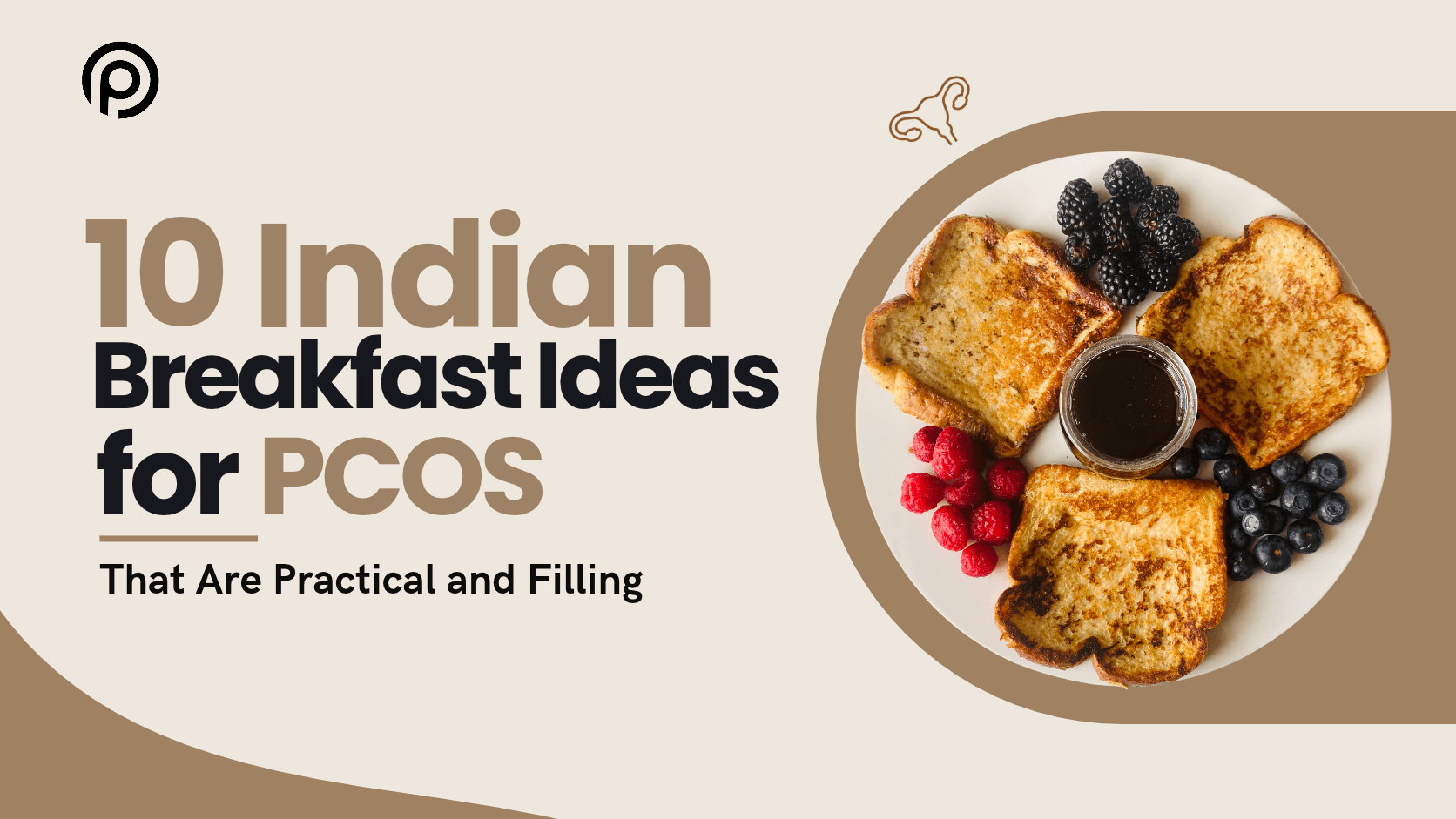
10 Indian Breakfast Ideas for PCOS That Are Practical and Filling
Breakfast can be an important part of a balanced eating routine for women with Polycystic Ovary Syndrome (PCOS). Choosing a meal that provides protein, fibre, healthy fats and quality carbohydrates can help maintain fullness, support overall metabolic health and make it easier to manage hunger throughout the day.
However, finding suitable breakfast options can sometimes be challenging, especially when following familiar Indian food habits. Traditional choices such as poha, idli, dosa, paratha and upma can all be included in a PCOS-friendly eating pattern. The key is to pay attention to ingredients, portion sizes and food combinations rather than unnecessarily eliminating everyday foods.
There is no single PCOS diet that works for every woman. Individual nutritional needs, activity levels, food preferences and metabolic health can influence dietary choices.
In this guide, we explore 10 practical Indian breakfast ideas for PCOS, including vegetarian options, protein-rich additions and simple ways to improve the nutritional balance of everyday meals.
Understanding What Makes a Breakfast Suitable for PCOS
A balanced breakfast for PCOS should provide a combination of nutrients instead of focusing on restricting carbohydrates or avoiding particular food groups.
Here are four important components to consider:
1. Include Protein
Protein helps improve meal satisfaction and supports muscle maintenance and normal body functions. Including a protein source at breakfast can also make meals more filling.
Good Indian breakfast protein sources include:
- Paneer and tofu
- Curd and Greek yoghurt
- Eggs
- Moong dal and besan
- Sprouts
- Milk and unsweetened soy milk
2. Choose Fibre-Rich Foods
Fibre supports digestive health and contributes to fullness. Including fibre-rich foods in meals can also help moderate the overall blood glucose response.
Useful options include:
- Oats
- Whole wheat
- Vegetables
- Fruits such as guava, apple and berries
- Chia seeds and flaxseeds
- Whole pulses and legumes
3. Include Healthy Fats
Healthy fats contribute to meal satisfaction and support normal body functions.
You can include:
- Almonds and walnuts
- Peanuts
- Flaxseeds
- Chia seeds
- Sesame seeds
- Small amounts of cooking oils
4. Balance Carbohydrates
Carbohydrates do not need to be eliminated from a PCOS diet. Instead, focus on choosing suitable portions and combining carbohydrate-rich foods with protein, fibre and healthy fats.
For example, instead of having plain poha, pair it with peanuts, vegetables and curd to create a more balanced breakfast.
10 Indian Breakfast Ideas for PCOS
The following breakfast options are easy to prepare, use familiar Indian ingredients and can be adjusted according to individual preferences.
1. Moong Dal Chilla with Paneer Stuffing
Moong dal chilla is a convenient protein-rich breakfast option made using soaked and ground green gram. Adding paneer stuffing increases its protein content and makes the meal more satisfying.
How to prepare:
- Soak green moong dal and grind it into a smooth batter.
- Add chopped onions, tomatoes, coriander and spices.
- Prepare thin chillas on a lightly greased pan.
- Add crumbled paneer as stuffing and fold.
Why it works: Moong dal provides plant protein and fibre, while paneer adds additional protein and calcium.
Extra tip: Add grated carrots, spinach or capsicum to increase the vegetable content.
2. Vegetable Oats Upma
Oats upma is a practical alternative to traditional semolina upma. It provides soluble fibre and can be prepared with commonly available vegetables.
How to prepare:
- Lightly roast rolled or quick-cooking oats.
- Heat a small amount of oil and prepare a tempering with mustard seeds, curry leaves and green chillies.
- Add chopped carrots, beans, peas and onions.
- Add water and cook until the oats reach the desired consistency.
Why it works: Oats contain beta-glucan, a type of soluble fibre. Vegetables contribute additional fibre and micronutrients.
Extra tip: Serve with plain curd or a side of sprouts to increase the protein content.
3. Vegetable Besan Chilla with Curd
Besan chilla is one of the simplest vegetarian breakfast choices for women looking to include more plant-based protein.
How to prepare:
- Mix besan with water to make a smooth batter.
- Add chopped onions, tomatoes, spinach and coriander.
- Season with turmeric, cumin and other preferred spices.
- Cook on a lightly greased pan.
- Serve with plain curd.
Why it works: Besan provides protein and fibre, while curd contributes protein and calcium.
Extra tip: Include a variety of vegetables rather than relying only on onions and tomatoes.
4. Vegetable Idli with Sambar
Idli and sambar can be part of a balanced PCOS breakfast. Although idli is primarily carbohydrate-based, pairing it with protein-rich lentil sambar and vegetables improves the overall nutritional balance.
How to prepare:
- Prepare regular fermented idli batter.
- Add finely chopped vegetables if preferred.
- Steam the idlis until cooked.
- Serve with vegetable-rich sambar.
Why it works: Fermented rice and urad dal batter provides carbohydrates and some protein, while sambar adds lentils, vegetables and fibre.
Extra tip: Include a generous serving of sambar instead of eating only plain idlis with chutney.
5. Vegetable Poha with Peanuts and Curd
Poha is a familiar Indian breakfast that can be made more balanced with a few simple additions.
How to prepare:
- Rinse flattened rice and allow it to soften.
- Prepare a tempering using mustard seeds, curry leaves and green chillies.
- Add onions, peas and chopped carrots.
- Mix in the poha and cook until heated.
- Finish with roasted peanuts and coriander.
Why it works: Peanuts provide healthy fats and some protein, while vegetables contribute fibre and micronutrients.
Extra tip: Pair poha with a bowl of plain curd or sprouts to increase the meal's protein content.
6. Paneer Vegetable Sandwich on Whole Wheat Bread
A paneer sandwich is a convenient option for busy mornings when breakfast needs to be prepared quickly.
How to prepare:
- Crumble paneer and mix it with chopped capsicum, onions and tomatoes.
- Add black pepper, coriander and preferred spices.
- Spread the mixture between whole wheat bread slices.
- Toast using a small amount of oil or ghee.
Why it works: Paneer contributes protein and calcium, while whole wheat bread provides more fibre than refined white bread.
Extra tip: Add cucumber, lettuce or spinach for additional vegetables.
7. Ragi Dosa with Sambar
Ragi dosa offers a different way to include traditional millets in breakfast. Ragi contains fibre and minerals, including calcium.
How to prepare:
- Prepare a ragi-based dosa batter using ragi flour and other ingredients of choice.
- Add cumin, chopped onions and coriander.
- Spread the batter on a heated dosa pan.
- Cook until crisp and serve with sambar.
Why it works: Ragi provides complex carbohydrates and fibre, while sambar contributes lentil-based protein.
Extra tip: Combine ragi dosa with sambar rather than relying only on coconut chutney.
8. Greek Yoghurt or Hung Curd Bowl with Seeds and Fruits
A yoghurt bowl is a convenient breakfast choice, especially for women who prefer lighter meals.
How to prepare:
- Take a bowl of unsweetened Greek yoghurt or hung curd.
- Add chopped apple, guava or a small portion of seasonal fruit.
- Sprinkle chia seeds, flaxseeds or chopped nuts.
- Add cinnamon for flavour if desired.
Why it works: Yoghurt provides protein and calcium, while fruits and seeds contribute fibre and healthy fats.
Extra tip: Choose unsweetened yoghurt and avoid adding large quantities of honey, sugar or flavoured syrups.
9. Egg Bhurji with Whole Wheat Roti
For women who eat eggs, egg bhurji with whole wheat roti is a filling breakfast that combines protein with carbohydrates.
How to prepare:
- Scramble eggs with onions, tomatoes and capsicum.
- Add turmeric, black pepper and coriander.
- Cook using a small amount of oil.
- Serve with whole wheat roti.
Why it works: Eggs provide high-quality protein and several essential nutrients, while whole wheat roti contributes carbohydrates and fibre.
Vegetarian alternative: Replace eggs with crumbled paneer or tofu.
10. Sprouts Chaat with Paneer or Curd
Sprouts chaat is a refreshing breakfast option that combines legumes, vegetables and additional protein sources.
How to prepare:
- Use properly prepared and cooked moong sprouts.
- Add chopped cucumber, tomatoes and onions.
- Mix in lemon juice, coriander and roasted cumin powder.
- Add paneer cubes or serve with plain curd.
Why it works: Sprouts provide plant protein and fibre, while paneer or curd increases the protein content of the meal.
Extra tip: Cook sprouts thoroughly, particularly if you are pregnant or have a higher risk of foodborne illness.
How to Build a Balanced PCOS Breakfast
Instead of following a strict meal plan, use a simple breakfast formula that can be adapted to different Indian food preferences.
A balanced breakfast can include:
Protein + Fibre-Rich Carbohydrates + Healthy Fats + Vegetables or Fruits
Here are a few examples:
| BreakfastProtein SourceFibre Source | ||
| Moong dal chilla | Moong dal and paneer | Dal and vegetables |
| Vegetable oats upma | Curd or sprouts | Oats and vegetables |
| Vegetable poha | Peanuts and curd | Vegetables |
| Paneer sandwich | Paneer | Whole wheat bread and vegetables |
| Ragi dosa | Sambar | Ragi and vegetables |
| Yoghurt bowl | Greek yoghurt | Fruits and seeds |
This approach helps make breakfast more balanced without requiring complicated recipes or expensive ingredients.
Simple Protein Boosters for Everyday Indian Breakfasts
If your regular breakfast is mostly carbohydrate-based, you do not necessarily need to replace it. Adding a protein source can improve its nutritional balance.
Here are some easy combinations:
- Poha: Add peanuts and serve with curd.
- Upma: Include sprouts or a bowl of yoghurt.
- Idli: Pair with a generous serving of sambar.
- Paratha: Serve with curd or paneer stuffing.
- Dosa: Pair with sambar or a paneer-based filling.
- Oats: Prepare with milk and add nuts or seeds.
- Bread: Add paneer, eggs or tofu.
These small changes can make everyday meals more satisfying and nutritionally complete.
Common Breakfast Mistakes Women with PCOS Should Avoid
A healthy eating routine does not require extreme restrictions. However, a few common habits can make it difficult to maintain a balanced diet.
1. Skipping Breakfast Despite Feeling Hungry
Skipping breakfast is not automatically harmful for everyone. However, if it leads to excessive hunger, poor meal choices or overeating later in the day, a more consistent eating routine may be helpful.
2. Eating Only Carbohydrate-Rich Foods
Having only plain bread, poha or upma may provide limited protein. Include a protein source to make the meal more balanced.
3. Avoiding All Carbohydrates
Women with PCOS do not need to eliminate rice, roti, oats or other carbohydrate-containing foods. Food quality, portions and overall dietary patterns matter.
4. Depending on Packaged Breakfast Foods
Sugary cereals, flavoured yoghurt and packaged breakfast products may contain added sugars and provide limited fibre or protein. Check nutritional labels before making them regular choices.
5. Ignoring Portion Sizes
Even nutritious foods need to be consumed in portions that suit individual energy requirements. A meal should be adjusted according to hunger, activity levels and personal nutritional needs.
6. Following Extremely Restrictive Diets
Very restrictive diets can make it difficult to meet nutritional requirements and maintain consistency. A sustainable eating pattern is generally more practical than eliminating multiple food groups.
Does a Low-Glycaemic Breakfast Help with PCOS?
The glycaemic index (GI) describes how quickly carbohydrate-containing foods raise blood glucose compared with a reference food.
Including lower-GI carbohydrate sources, such as oats, legumes and certain whole grains, may be useful for some women with PCOS.
However, the GI of an individual food does not tell the complete story of a meal. Portion size, preparation methods and combinations with protein, fat and fibre can influence the overall blood glucose response.
For example, combining poha with peanuts, vegetables and curd creates a more balanced meal than eating plain poha alone.
A low-GI approach can be one part of a healthy eating pattern, but it is not necessary to follow a rigid list of permitted and prohibited foods.
Practical Tips for Planning PCOS-Friendly Breakfasts
Consistency becomes easier when breakfast preparation is simple and realistic.
Here are some practical ways to plan ahead:
- Soak moong dal overnight for quick chilla preparation.
- Chop commonly used vegetables in advance.
- Keep curd, paneer and eggs available for convenient protein options.
- Prepare homemade sprouts safely and store them appropriately.
- Keep oats, nuts and seeds available for quick breakfasts.
- Rotate different breakfast options throughout the week.
- Choose recipes that match your taste preferences and daily schedule.
Meal planning does not need to be complicated. Even a few prepared ingredients can reduce the effort required to make a balanced breakfast.
Frequently Asked Questions (FAQs)
1. What is the best Indian breakfast for PCOS?
There is no single best breakfast for everyone with PCOS. Moong dal chilla, besan chilla, vegetable oats upma, idli with sambar and paneer sandwiches are some balanced options that provide combinations of protein, fibre and carbohydrates.
2. Can women with PCOS eat poha for breakfast?
Yes. Poha can be included in a balanced PCOS diet. Adding peanuts, vegetables and a side of curd or sprouts can improve its overall nutritional balance.
3. Is oats good for women with PCOS?
Oats can be a useful breakfast option because they contain soluble fibre, particularly beta-glucan. Pairing oats with milk, curd, nuts or seeds can make the meal more balanced.
4. Should women with PCOS avoid rice and roti?
No. Rice and roti do not need to be completely avoided. Choosing suitable portions and combining them with protein-rich foods, vegetables and fibre can help create balanced meals.
5. Are eggs good for a PCOS breakfast?
Eggs can be a convenient source of high-quality protein. They can be included in different breakfast preparations, such as egg bhurji, boiled eggs or vegetable omelettes, depending on individual preferences.
6. Can women with PCOS eat fruits in the morning?
Yes. Whole fruits can be included in breakfast. Options such as guava, apple, oranges and other seasonal fruits provide fibre, vitamins and minerals. Whole fruits are generally preferable to fruit juices.
7. Is skipping breakfast good for PCOS?
There is no universal rule that every woman with PCOS must eat breakfast or follow intermittent fasting. Meal timing should suit individual health needs, medication requirements, hunger patterns and lifestyle.
8. How much protein should a woman with PCOS eat at breakfast?
Protein requirements vary according to body weight, activity levels, age and health status. Rather than following one fixed breakfast target, aim to include a meaningful protein source in your morning meal and distribute protein appropriately throughout the day.
Conclusion
Managing PCOS through nutrition is not about giving up familiar Indian foods or following an extremely restrictive diet. It is about building balanced meals that provide adequate protein, fibre, healthy fats and carbohydrates.
From moong dal chilla and vegetable oats upma to paneer sandwiches and idli with sambar, there are plenty of practical breakfast choices that can fit into an Indian lifestyle.
Start with small changes, experiment with different combinations and choose meals that you can comfortably maintain over time. Individual dietary requirements can vary, so consulting a qualified dietitian can help you develop an eating plan suited to your health needs.
Save your favourite breakfast ideas, plan your meals and track your nutrition with PayByCal
Download the application now.
https://paybycal.com/download.html
- PCOS breakfast ideas Indian
- high protein breakfast PCOS
- PCOS Indian food
- low breakfast ideas
- PCOS diet
- healthy breakfast for women
- insulin resistance diet
This article is for general education and is not medical advice. Please consult a qualified healthcare professional about your individual needs.